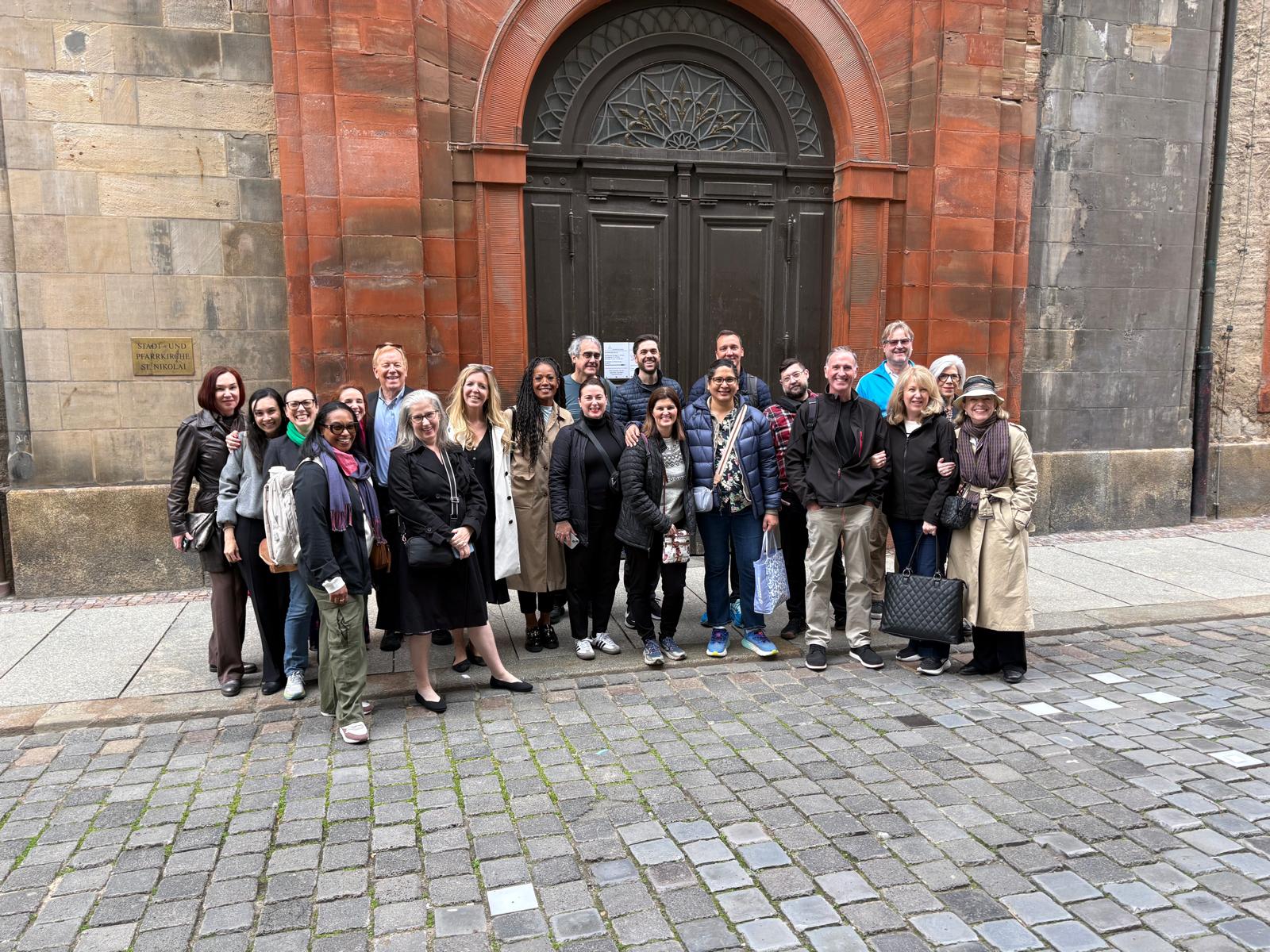
RIAS Journalists in Germany, September 6–19, 2026
Twelve U.S. journalists traveled through Germany and to Brussels with the RIAS Berlin Commission from September 6 to 19, 2026. Here they describe what they experienced and what they took home.

Sydney Johnson
KQED, San Francisco, California
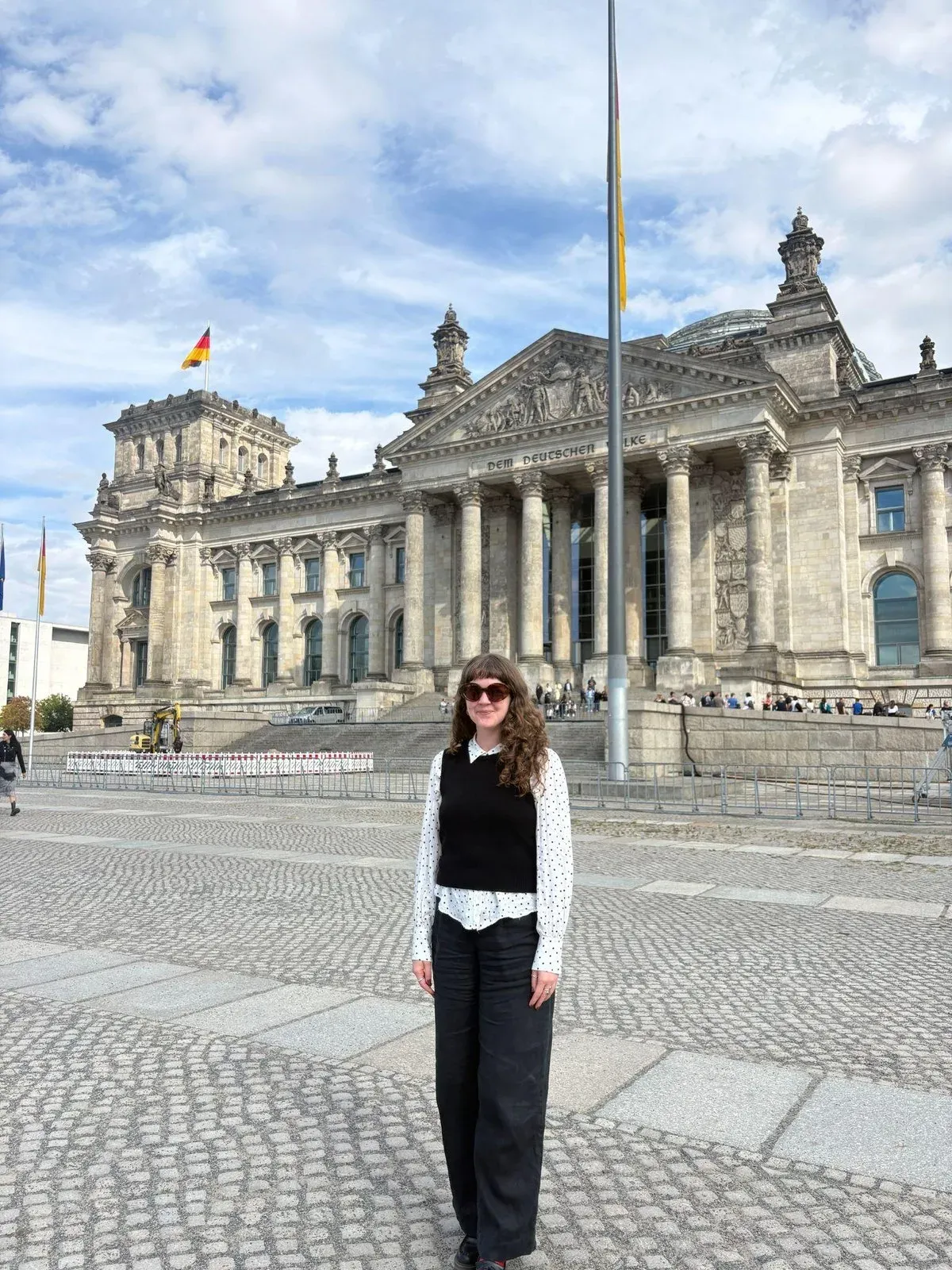
The RIAS Berlin Commission offered so many unforgettable memories and truly once-in-a-lifetime experiences. This program gave us seats inside the buildings where many of the world's most powerful decision-makers are currently shaping our global future and the chance to ask tough questions directly. One of my favorite days was touring the Berlin Wall Memorial and learning about that history from our host, Christoph, who as a journalist crossed the border and was at the press conference where officials announced it would open. It was remarkable traveling in Germany at a time when both of our countries are facing fraught political landscapes, and to share ideas with so many brilliant journalists who are facing similar challenges. Besides all of the amazing tours, meetings and sit-downs, I'll always cherish the friendships and what I learned from this amazing group of journalists. The stories we shared on train rides, in beer gardens, and every step in between shaped not only my understanding of this industry but also my role in it.
Javier Vega
Telemundo, Washington, D.C.
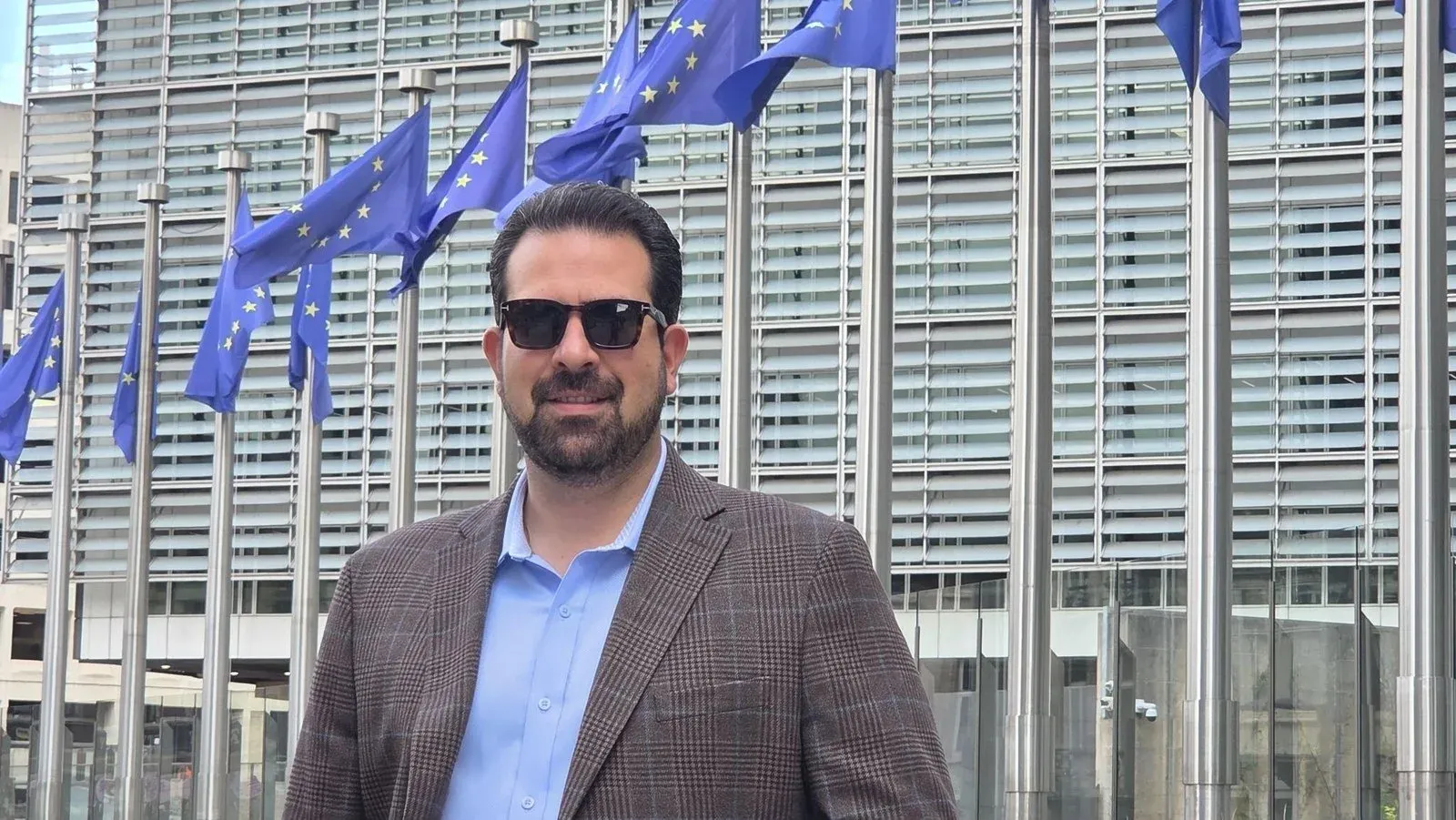
The RIAS program was an intensive and thought-provoking experience. It allowed me, for the first time, to immerse myself in the important European institutions I often write about, such as NATO and the European Commission. In doing so, I gained a better understanding of how they work while also building contacts for future reporting.
Our group also visited Europe at a crucial moment for German politics, just after the regional victories of the rising right-wing AfD party. We had the opportunity to visit the German Bundestag and ask questions directly to parliamentarians, while also witnessing firsthand the tensions between the traditional parties and AfD representatives.
I came back from the program even more convinced of the importance of journalism in our societies. I also learned that the media landscape is not the same everywhere. I was pleasantly surprised to discover how different the German media system is from anything I had seen before: publicly funded, highly respected, decentralized, and strongly regional in its approach. These are conditions in which journalists can reaffirm their commitment to public service.
RIAS also became the starting point for new friendships with colleagues from different U.S. states and news outlets, now connected by the exciting experiences we shared while traveling and learning together. That network also extends to the German journalists we met, with whom we will certainly stay in touch for years to come.
Isabel Sánchez
NBC10/Telemundo62 Philadelphia, Pennsylvania
I went to Germany hoping to learn more about its journalism, politics and relationship with the US, but I came home with so much more. From visiting newsrooms and meeting with political leaders to standing in places where so much history unfolded, the experience gave me a new perspective on journalism, democracy and the responsibility we have as storytellers.
One of my biggest takeaways was realizing how many of the challenges journalists face are shared across borders: building trust, fighting misinformation and finding new ways to reach our audiences. But what made the experience truly special were the people. I came home with new friends, a lot of great memories and, most importantly, feeling inspired and excited about journalism all over again. I’m incredibly grateful to RIAS for that.
Emily Lunz
CNN, Atlanta, Georgia
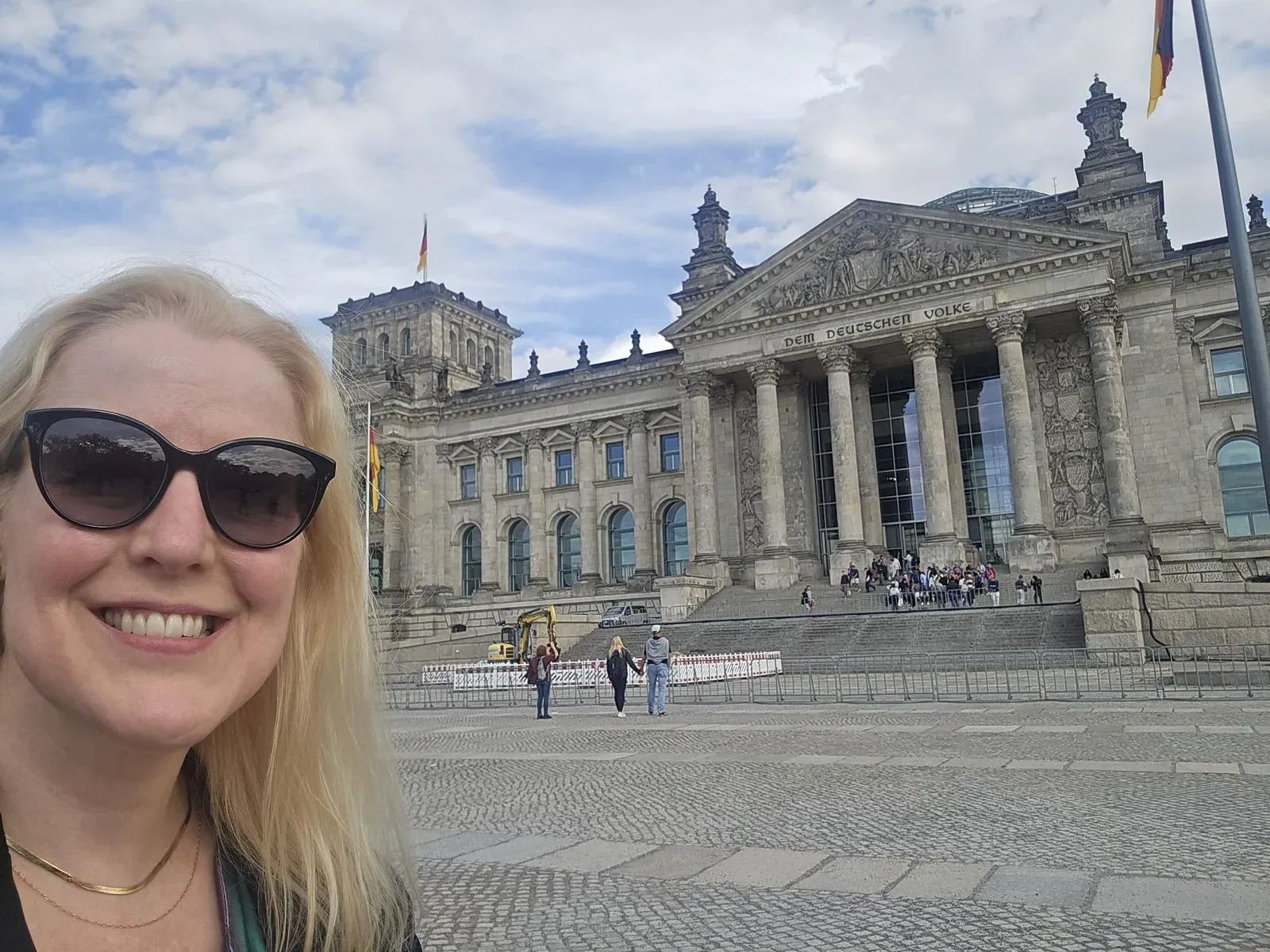
I began the RIAS program feeling fairly confident in my knowledge of German politics and EU affairs. Keeping up with those developments is part of my daily job. But when our group began speaking with analysts, journalists and lawmakers, I quickly realized there were some big gaps in my lexicon -- especially when it came to EU and German takes on thorny transatlantic issues. New viewpoints, context and nuances were hurled at us at a frenetic pace. My wheels were constantly turning and sometimes it felt like my brain would explode... but in the best possible way. The RIAS Berlin Commission forces its fellows to abandon assumptions and absorb new perspectives as we break away from our normal routines. And we're all better for it.
It's worth noting that our RIAS group arrived in Germany at a historic moment. The AfD (Alternative for Germany) party with its anti-immigration platform had just made huge gains in state elections. This was the first time a far-right party has been within reach of power since the Nazi era and Germany was grappling with the implications. The parallels with populism in the U.S. were impossible to miss. We were able to witness how Germany is dealing with its sharp divides, and how German media are covering this period of political uncertainty.
We also had the unique experience of seeing how the 25th anniversary of 9/11 was covered by German news outlets. And during our meeting with members of the Bundestag, CDU lawmaker Kai Whittaker delivered a heartfelt tribute to the victims of that terrible tragedy that brought a tear to my eye.
For me, the knowledge I've gained during RIAS will not fall under the categories of "good to know" or "mildly interesting." It will directly improve my day-to-day work. And I'm confident the friendships made during this journalism exchange will not fade. Thank you, Christoph and Pam, for this invaluable opportunity and I look forward to opportunities for future collaborations!
Dylan Domangue
KWCH, Wichita, Kansas
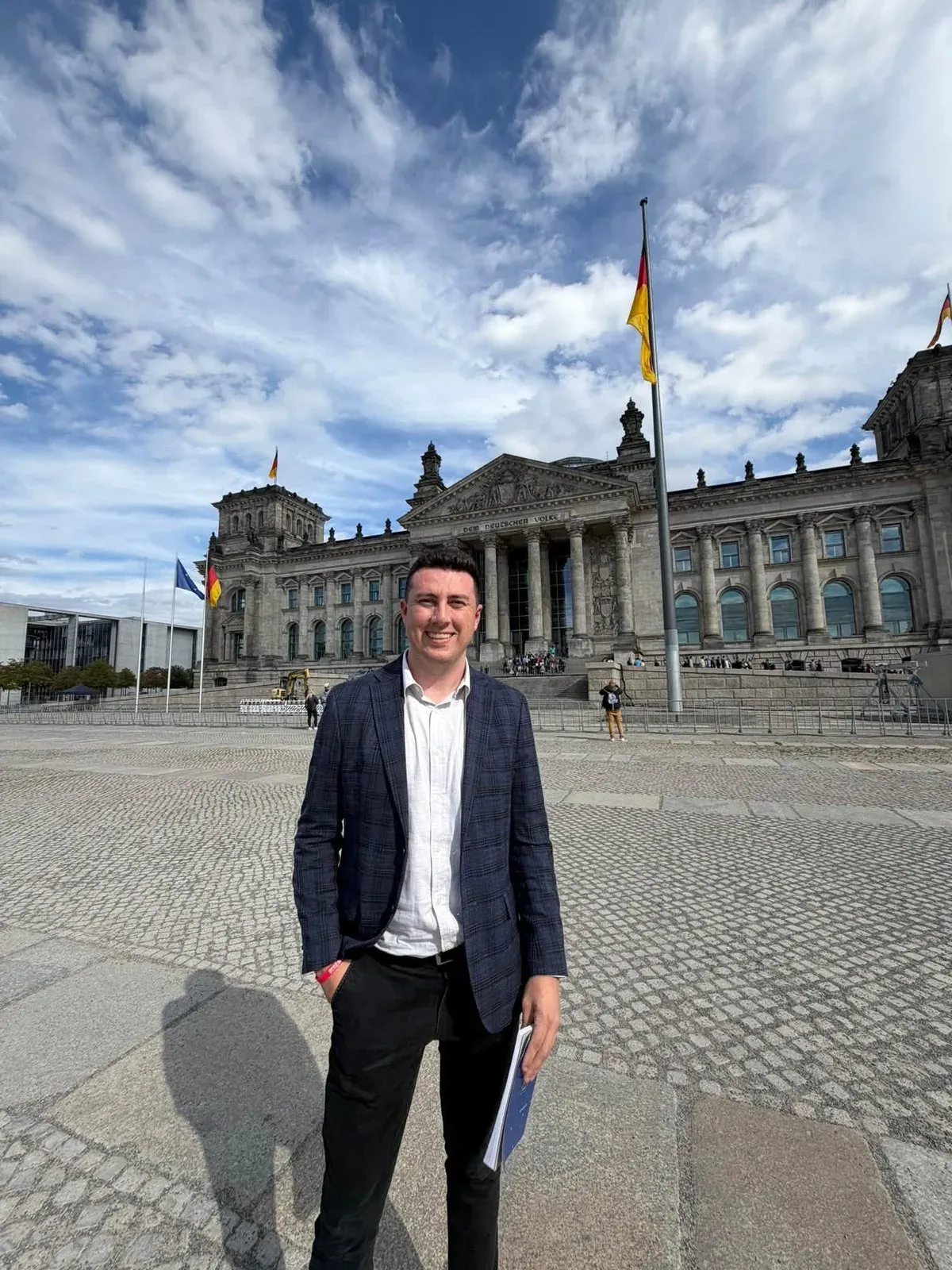
Before I left for Germany and Belgium for two weeks with the RIAS exchange program, two of my colleagues, both RIAS alumni, said it was going to be the opportunity of a lifetime. They were correct and yet the trip was still far more than I could have ever imagined. From having in-depth talks with representatives from NATO, European Commission, and German Parliament, to touring newsrooms across the country and hearing from journalists who experience the same concerns we all do, it was truly an eye-opening experience. In my day-to-day job as a local journalist, I don't often consider the impact decisions here have on transatlantic relations, but the RIAS trip expanded my approach towards adding these elements to my reporting. I got to learn first-hand from reporters during station days in Germany that the key topics being reported in Europe are all things we discuss daily in our newsroom including AI, national security, tariffs, agriculture and fact-checking misinformation. Throughout our trip, the RIAS program also included tours of rich historical areas which put me back in time reflecting on the responsibility journalists had while covering these events. Most importantly, I am thankful to have made new connections with reporters from the U.S. and Germany that will last a lifetime.
Karina Cuevas
PBS, Washington, D.C.
The RIAS Berlin program is truly like no other. It has helped guide me into the next chapter in my career after careful consideration. The two weeks spent in Belgium and Germany allowed me to enter rooms I would have never thought were possible to step into. From NATO to the European Commission, several think tanks, organizations upholding freedom of the press and historical monuments. It was truly a well rounded experience and one where I will certainly use the lessons learned along the way. But what made this experience more gratifying was the connection my cohort had with each other. We soaked up as much knowledge from one another in each session and outside of them. We engaged in deep discussions with other journalists as well and realized how our struggles in this industry are very similar and at times unforgiving. This experience will be one I remember for a long time and the friends I've made along the way I hope remain for my lifetime. Last but not least, our fearless leader Christoph Jumpelt made it so easy to make sure we not only made it into those rooms, but also to connect with colleagues across the board. Danke schön!
Liz Jones
KUOW, Seattle, Washington
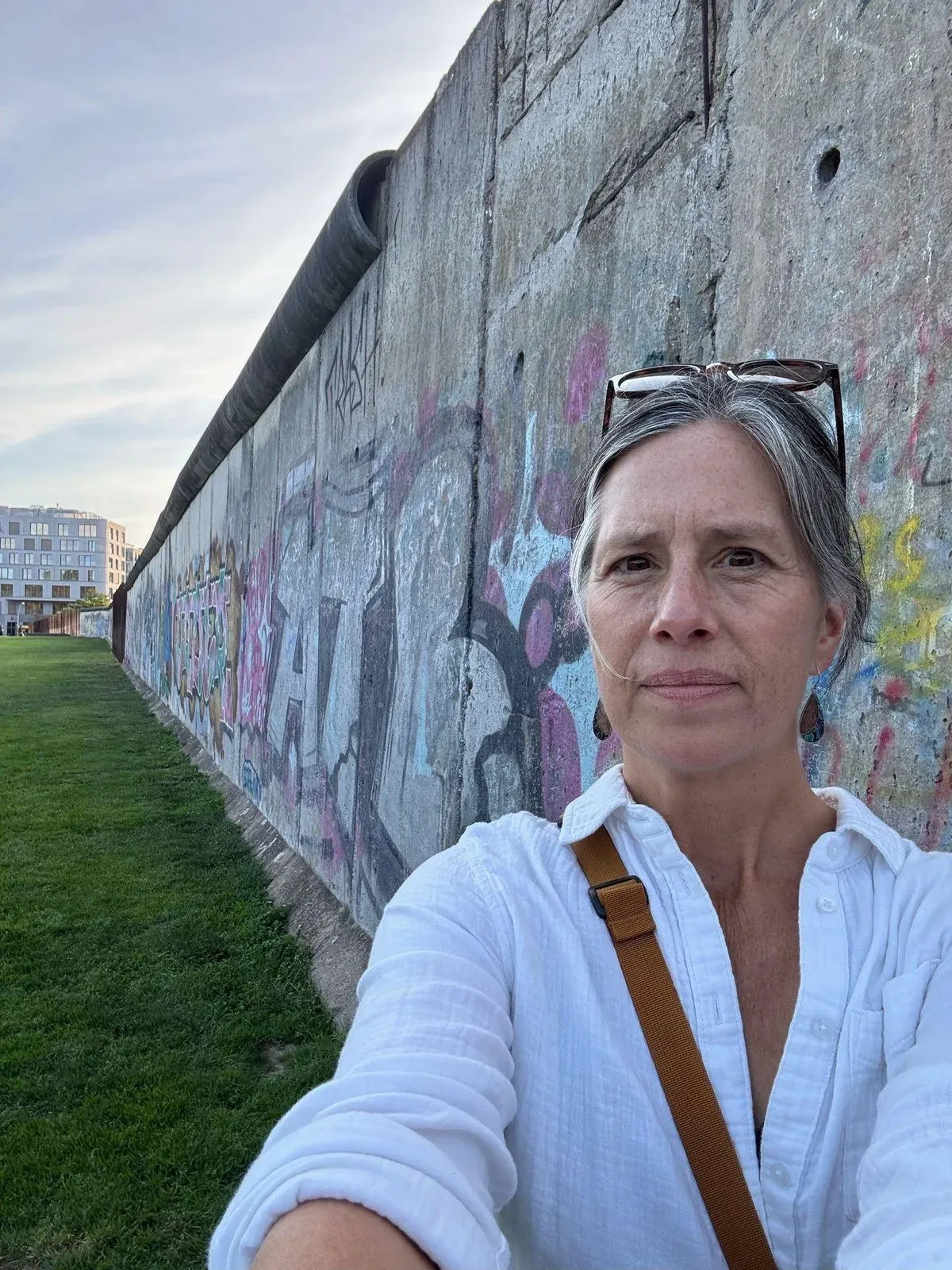
This RIAS fellowship in Germany and Brussels was truly unforgettable and drove home the global stakes of journalism. This experience deepened my commitment to push for broader context and analysis in our reporting, and to look for ways to draw connections between local and global issues. I returned home with renewed ambition thanks largely to the eye-opening talks with many experts and policy leaders we met during the fellowship, and also thanks to the impressive crew of U.S. journalists in my cohort who are now cherished friends.
Our group felt fortunate to be on this fellowship during a pivotal time in geopolitics, with the ongoing conflicts in Ukraine and the Middle East, a shifting U.S. role in NATO, volatility with tariffs and global supply chains, and a surge of far right politics in Germany and other parts of the world.
It was especially remarkable to be in Germany during local elections, as the far right Alternative for Germany (AfD) party dominated in two states. We got insightful and varied analysis on these elections as we met with local organizations and journalists. One memorable meeting was with several Members of Parliament at the German Bundestag, including representatives from the governing coalition and also from the opposition parties. We got to witness candid and often tense exchanges between these politicians on issues ranging from immigration to fascism.
I’m also grateful for my station days with Deutschlandfunk-Hauptstadtstudio in Berlin, as I got a chance to discuss innovations and challenges in public media, and I was also able to join a seasoned correspondent at an AfD rally on the eve of local elections. The swell of energy there felt historic.
Thank you to RIAS, Christoph, Pam and the many others who make this fellowship so meaningful.
Devon Sayers
CNN, Atlanta, Georgia
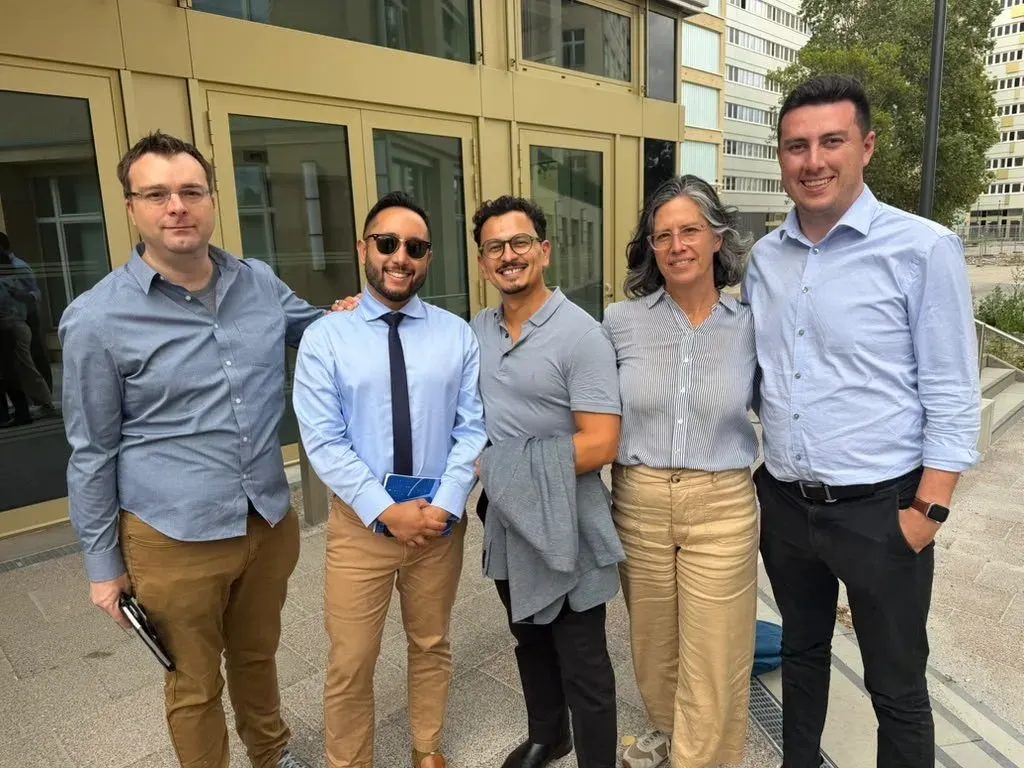
The landscape for journalists is everchanging; the foundation of journalism is not. During my RIAS experience, both were tackled in equal parts. The RIAS program opened the doors of power in Germany and beyond. We asked probing questions and heard the opinions of those in power, representing many points of view. We walked in the history of the region. We found some truths that while we may live in different countries, we are all a bit more alike than we all thought. And most importantly, we did it all in the fellowship of other journalists and under the leadership of journalists.
Marissa Armas
CBS News Texas, Dallas, Texas
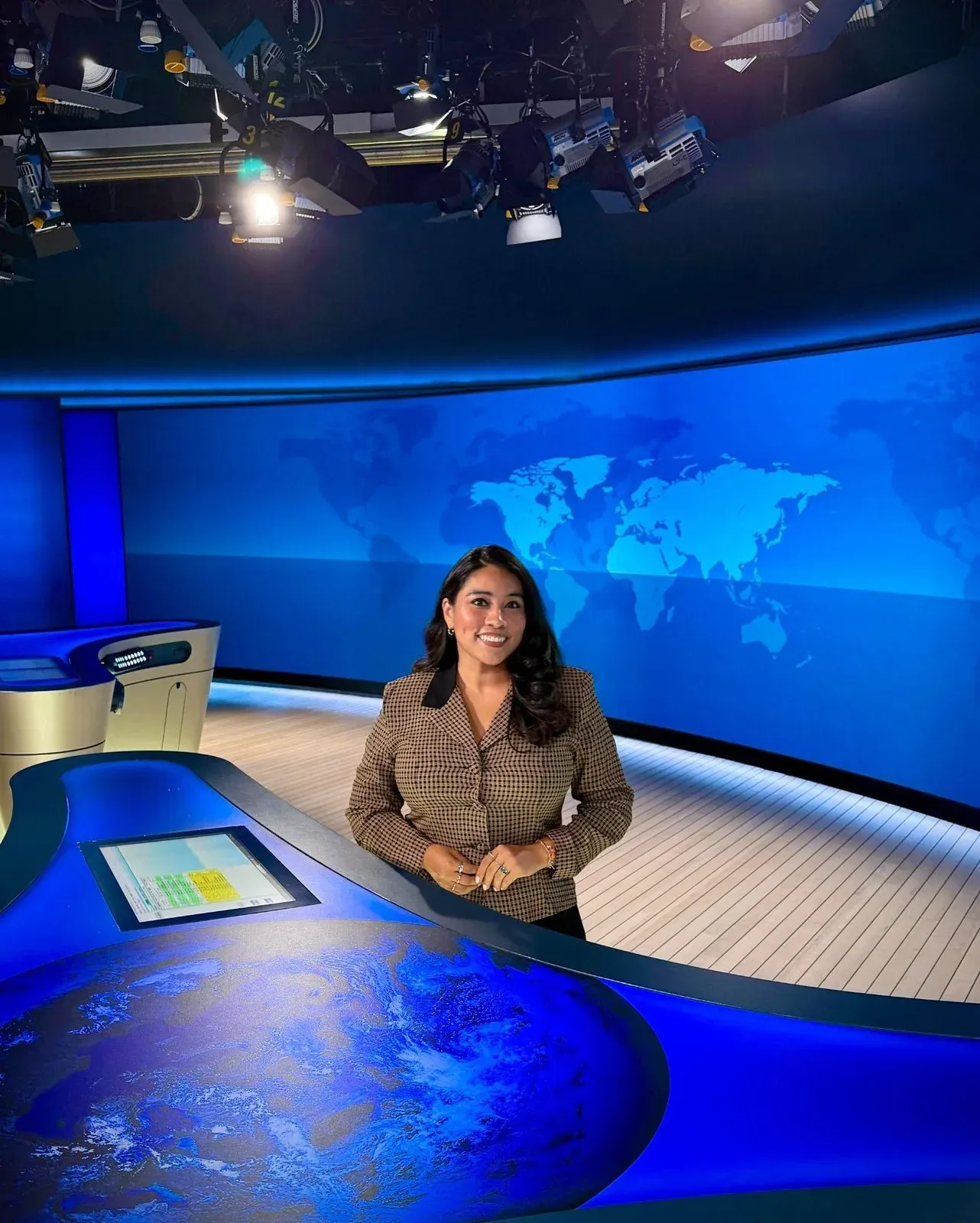
Being part of the RIAS Berlin Commission Fall 2026 cohort has been nothing short of amazing. From the people we met to the newsrooms we visited, this experience gave me a new perspective, not only on journalism and the world around me, but on my own role as a storyteller. It also renewed my passion for journalism and reminded me why this work matters.
Throughout the two-week trip, we visited multiple German media organizations, getting a firsthand look at what it takes to keep the news cycle moving. I was surprised to learn that the majority of German newsrooms are publicly funded, making the content less about ratings and views and more about real journalism that serves the public, something lacking in the United States right now. Along with being publicly funded, I was also intrigued to learn that many Germans still watch the news and believe in a free press, giving their journalists more resources and free rein to investigate the stories that truly matter most to the people. Like many of us, German journalists are also dealing with the pressure of incorporating AI into their daily workflows and are rethinking content strategies to meet younger audiences where they’re at. I also really enjoyed my station days in Hamburg, and getting the opportunity to shadow journalists as they prepared to cover upcoming elections.
This fellowship not only deepened my understanding of the German-American transatlantic relationship but reminded me that no matter how far in distance, the actions of American leaders and U.S. policy have a great impact on global affairs. We met with politicians, journalists and think tanks, and had the opportunity to ask them questions about current events, U.S.-German relations, and historical moments like the Holocaust and the meaning of “Never Again.” As Germany grapples with the rise of the far right, I heard concerns from some about the feeling that history could be repeating itself. So much of what we heard in Germany parallels what we as Americans and journalists are currently facing in our country. Despite two different media landscapes and political systems, the challenges felt familiar. One of my favorite places that we visited was the House of the Wannsee Conference, where Nazi officials met in 1942 to coordinate the “Final Solution to the Jewish question.” It felt like I visited a part of history that I had only read about in books and watched in movies.
But the people, every single person I met along the way, were truly the highlight of this experience. I learned so much, not only from my fellow American Journalists, but from all the German journalists, leaders, organizers, and RIAS alumni who welcomed us into their communities. The RIAS mixers quickly became some of my favorite moments of the trip, and I felt incredibly honored to share space with alumni in every city we visited. The RIAS familia is like no other, and I feel grateful to now be a part of it. Every conversation and every moment shared, truly made this experience remarkable. Although we come from different countries and backgrounds, there is so much we have in common, and at the heart of it all, I think it’s our shared humanity. My heart is truly filled with so much gratitude and appreciation for this experience, and I can’t wait to share more of what I learned with my friends, family and community back home.
Sherline Hawkins
NBC Washington, Washington, D.C.
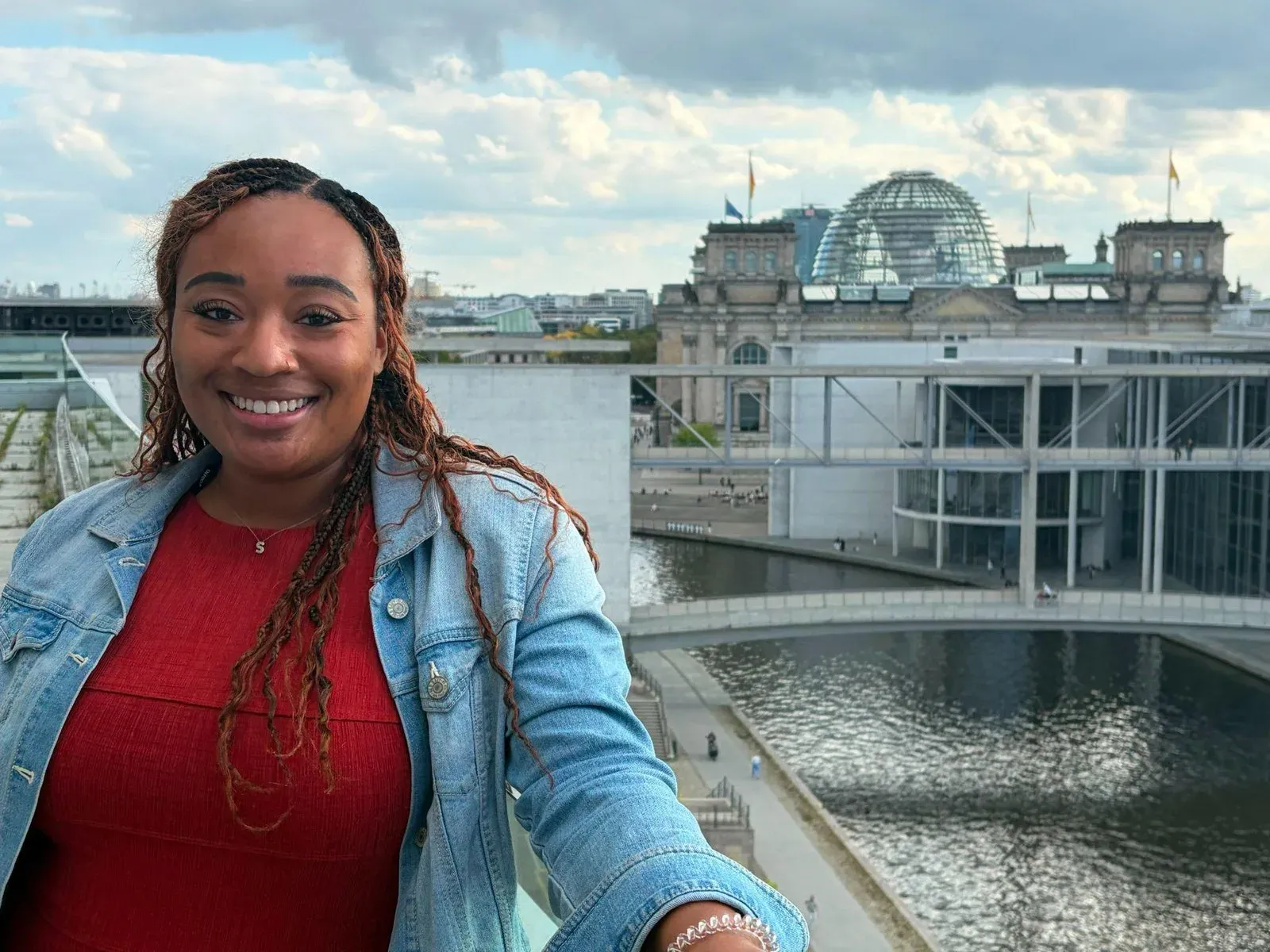
The RIAS Berlin Fellowship was one of the best experiences of my professional career. The two weeks in Germany and Brussels, allowed me to widen my network with journalists from across the U.S. and Germany, while deepening my understanding of transatlantic policy and political reporting in a way that's already shaping how I find nuanced, accessible ways to bring complex global stories to my viewers back home.
What struck me most was how the program pushed me outside my comfort zone into rooms most journalists only read about. The program allows you to use investigative instincts to lead conversations with policymakers, think tank experts, and fellow journalists. It also connected me with people from vastly different walks of life, and I walked away with genuine relationships I know I'll carry for years to come. This was a transformative learning experience, and one I believe every journalist should have the chance to go through.
Matthew Torres
Al Jazeera English, Washington, D.C.
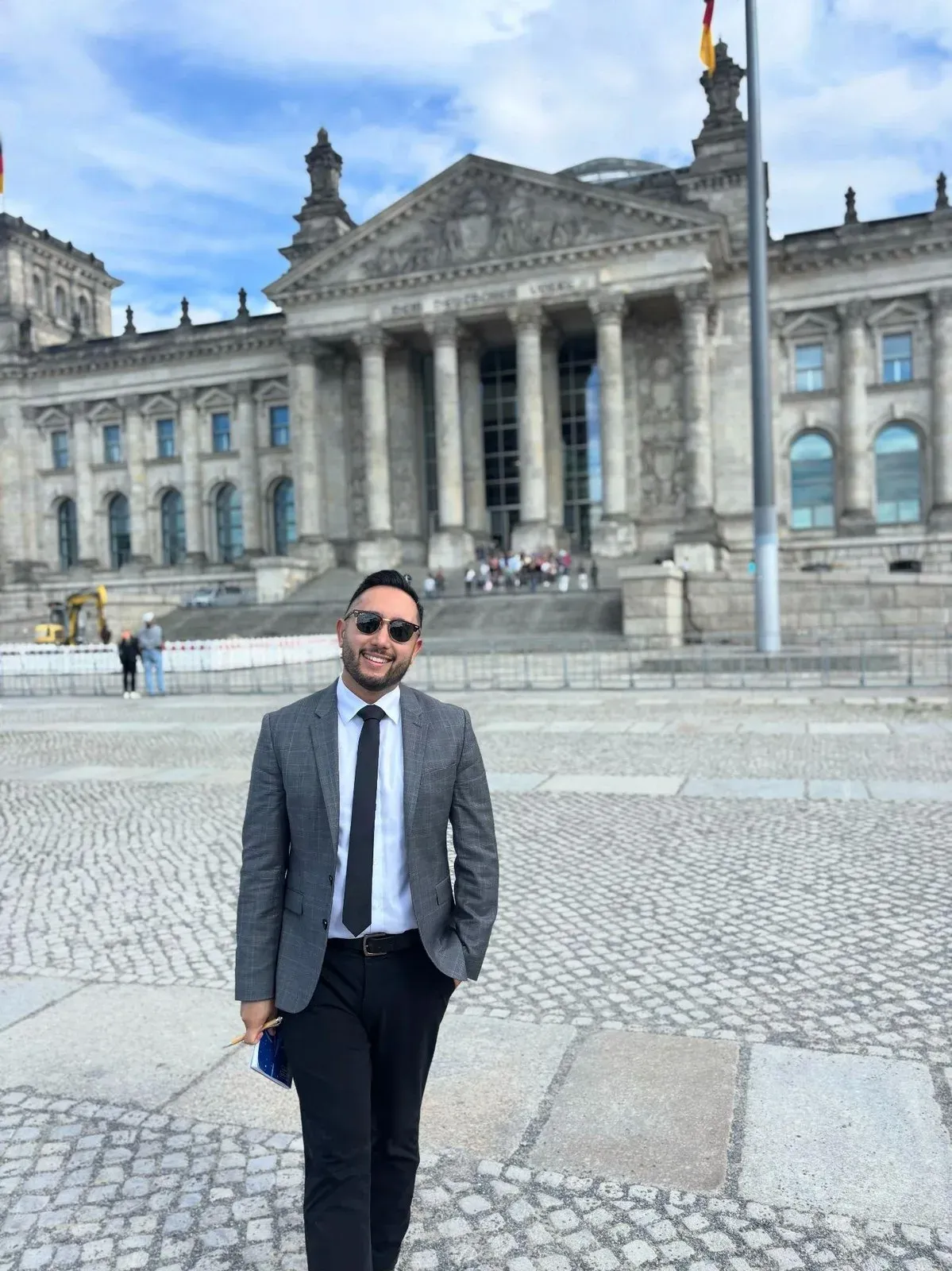
The journey with the RIAS Berlin Commission was an enriching journey that went beyond my expectations. I knew I was going to learn a lot. That was the reason I applied. I ended the trip not only more knowledgeable about transatlantic relations but also even more inspired to be a journalist. Our visits with officials at NATO, the European Commission, the Bundestag and a couple of U.S. embassies were one-of-a-kind experiences. Our stops at several think tanks provided perspective on current affairs in Germany that can have global implications. They became the perfect opportunities for journalists visiting Germany during a time of increased popularity of right-wing extremism, increased defense spending and intensifying talks surrounding the Russia-Ukraine war.
The trip taught me more about the German media, specifically publicly funded organizations and the scrutiny involved in maintaining journalistic ethics and standards. My assignment to spend a couple of days in Stuttgart opened my eyes to a different workflow. Shoutout to my station hosts for their hospitality and for helping me better understand German culture. Aside from the wealth of knowledge you gain, I quickly realized why RIAS is so valuable: it’s the people. The relationships you build in such a short amount of time with your fellow journalists are special. We were sad it was ending but thankfully our WhatsApp chat is still going strong. There’s a reason for that.
Rafael Carranza
Arizona Luminaria, Tucson, Arizona
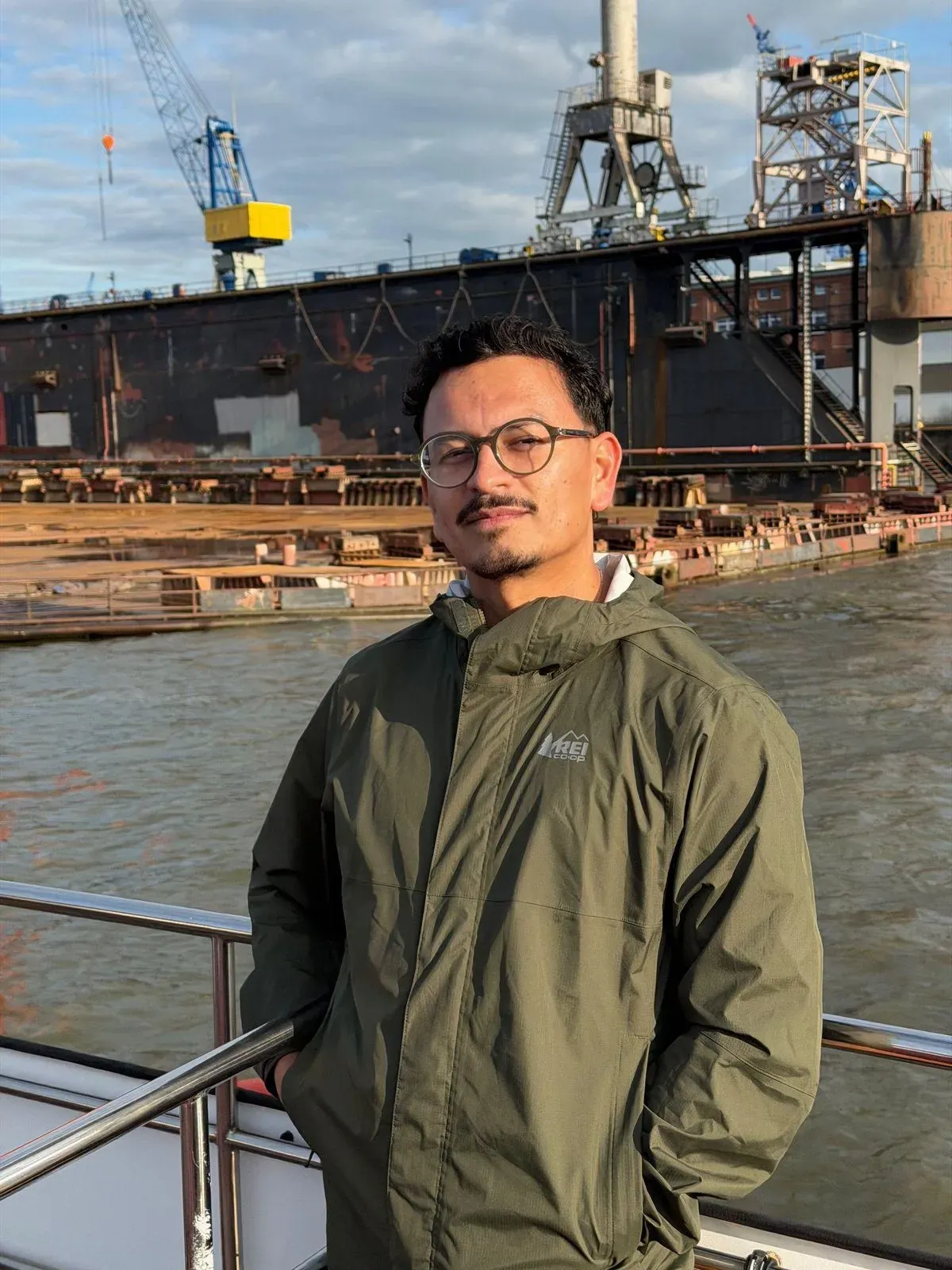
Participating in the RIAS Fellowship has been a singular, transformative experience. Even as the program has ended, I still find myself thinking over the many conversations we had with leaders and stakeholders in the transatlantic relationship between the U.S. and Germany. And I continue to see that relationship in action every day, especially as I continued my travels throughout Germany and Europe after the program’s conclusion.
The sessions were not just informative, but also thought provoking, and prompted us to challenge our assumptions about German society and to scrutinize the media landscape and its impact on the people. I could not help but notice many striking similarities, whether it’s the loss of trust in institutions like the media and government, or how downsizing has impacted how people consume the news in their everyday lives.
We were in Germany at a particularly fruitful time for deep discussions about changes in society. The far-right AfD party had just won a state election for the first time in Saxony-Anhalt and had been making headway in other states. The political and societal reverberations of that rise spilled into every facet of our discussions, and how this far-right movement draws parallels to the rightward shift in the U.S. in recent years. It highlighted a lot of the similar challenges about the media’s role and challenges in informing the public and holding elected leaders accountable at a time of political fatigue and when false narratives abound. The standout sessions for me included our one-on-one meeting with German lawmakers at the Bundestag, as well as our visit to a synagogue in Leipzig, one of the few not fully destroyed nearly a century ago, to learn about their efforts to rebuild a Jewish community.
I also greatly enjoyed exploring the cities we visited on my own, walking or biking the streets and talking to everyday Germans. It left me with a deep sense of gratitude for this experience and for German hospitality, and a greater understanding of our common mission as journalists and members of a democratic society.