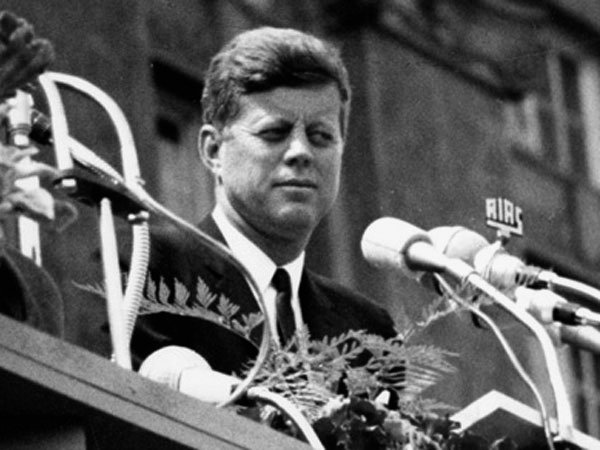
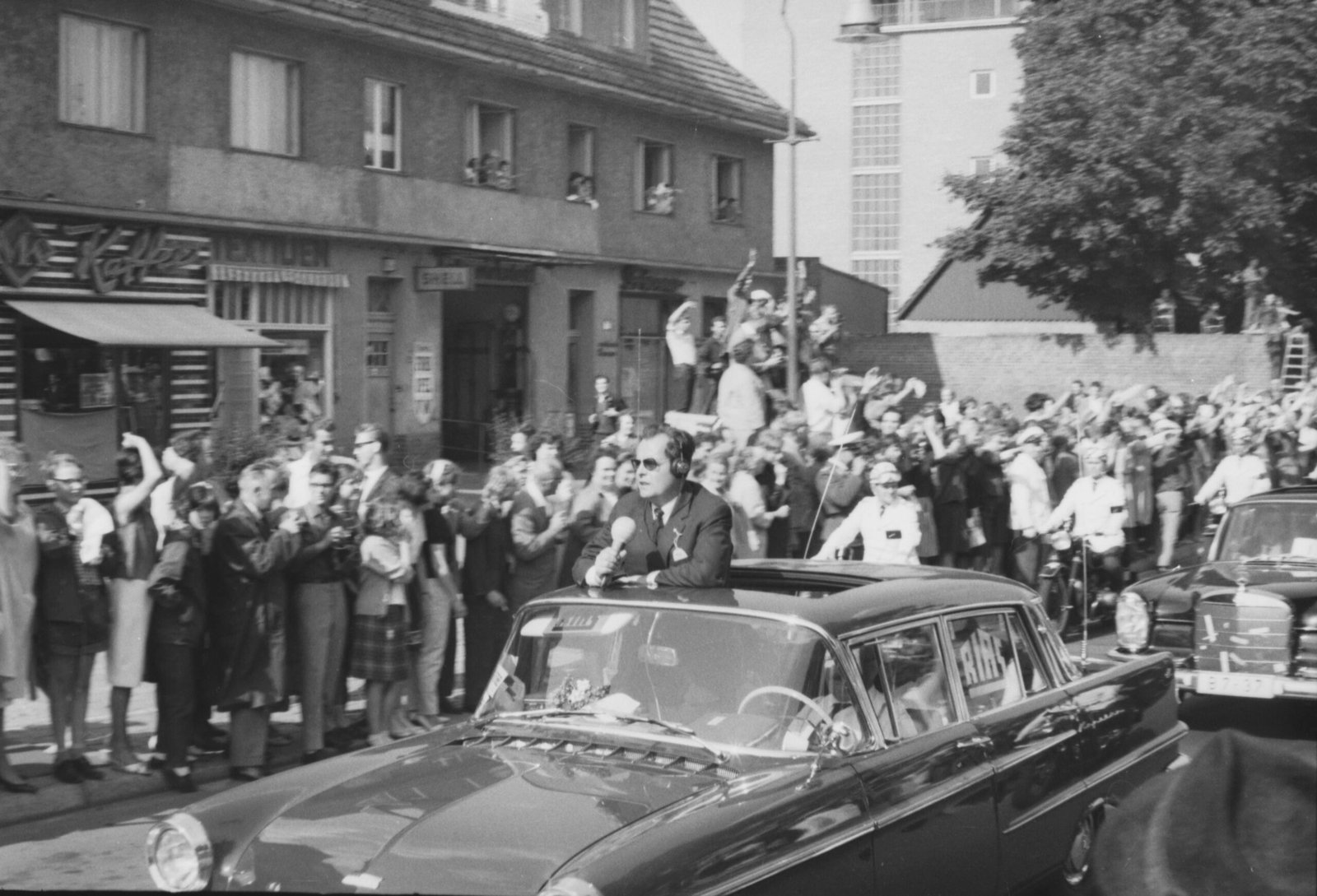
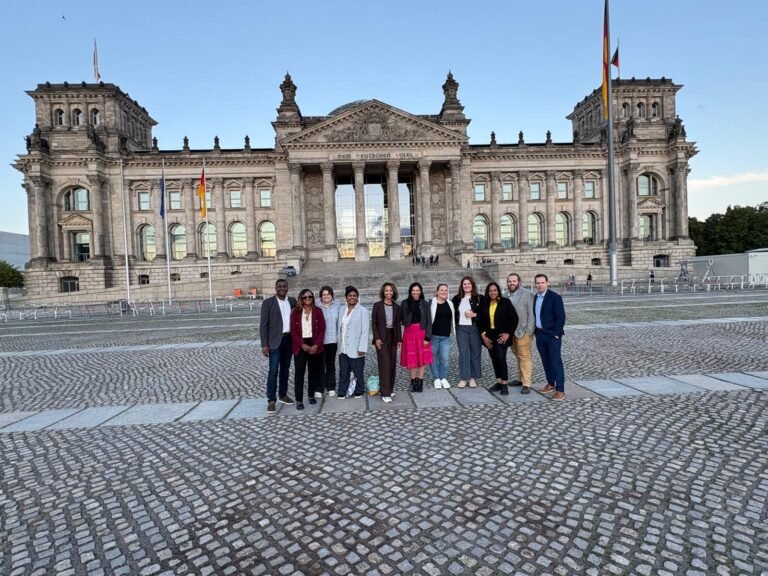
June 1963 · Jürgen Graf reports live from John F. Kennedy’s motorcade – the first radio report of its kind.September 2025 · A RIAS group outside the Reichstag, Berlin.
80
Years of RIAS 1946–2026
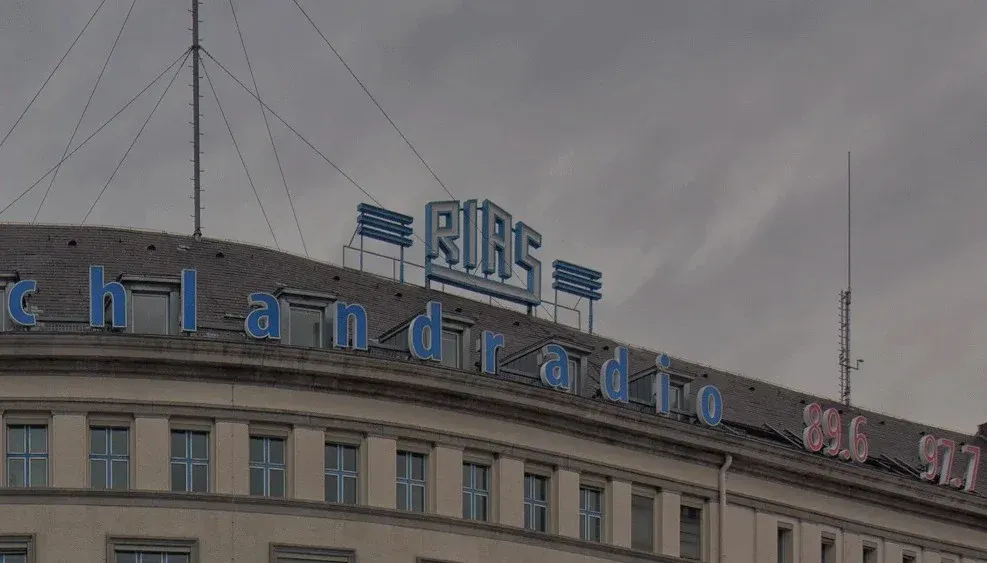
The broadcaster · 1946 – 1993
From radioto a network.
Radio in the American Sector was more than a broadcaster: it was a lifeline for independent journalism in divided Berlin. Its history shaped our mission today.
The RIAS Berlin Commission was founded in recognition of RIAS’s historic role – to support transatlantic relations, media exchange and journalism training between Germany and the U.S.
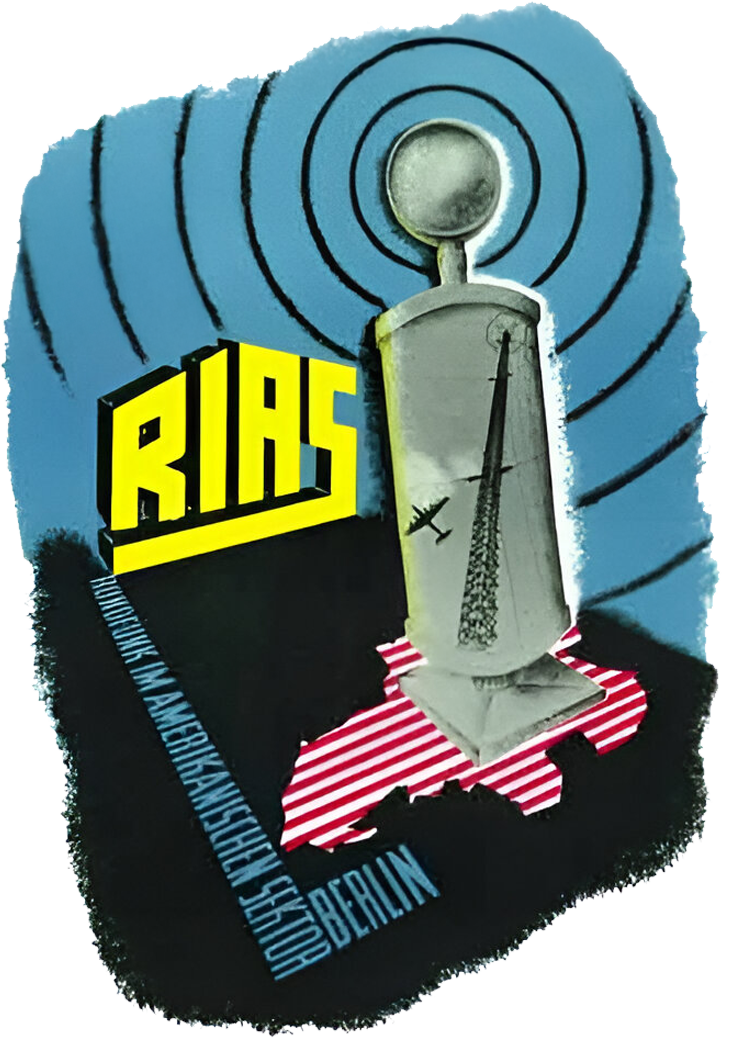
The U.S. establishes Radio in the American Sector: reliable news for West Berlin and beyond the sector boundary – countering Soviet-controlled propaganda.
02 / 17
1947
1947
Expansion of Broadcast Capabilities
RIAS began transmitting over medium wave frequencies, significantly expanding its reach to listeners in both West and East Berlin.
03 / 17Airlift
1948
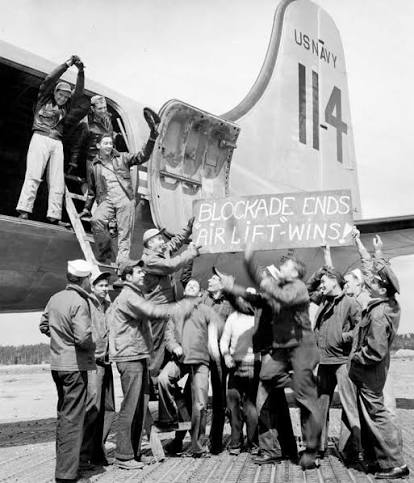
Role during the airlift
During the Berlin Blockade, RIAS keeps West Berliners informed about the ongoing airlift operations – and becomes a trusted source.
04 / 17
1950s
1950
Growth and Influence
RIAS expanded its programming, incorporating cultural broadcasts, political discussions, and entertainment. It became a lifeline for listeners in East Germany, offering uncensored information during a time of heavy media control in the GDR. Through interviews with political figures, investigative journalism, and engaging cultural content, the station cemented its reputation as a beacon of truth in a divided Germany.
05 / 17June 17
1953
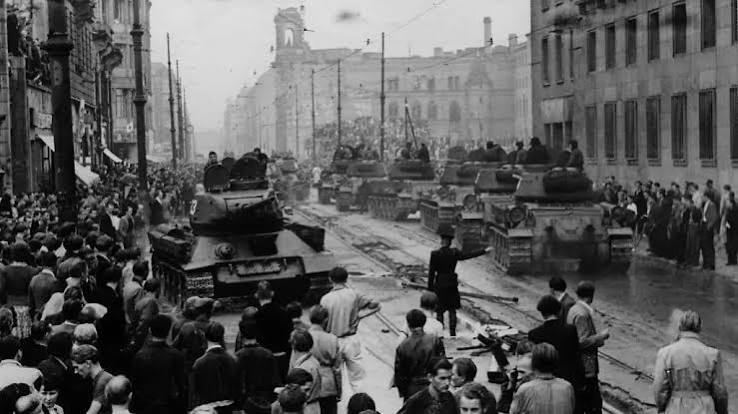
The uprising in East Germany
RIAS reports extensively on the workers’ uprising of June 17, 1953, and gives the protesters a voice.
06 / 17Building the Wall
1961
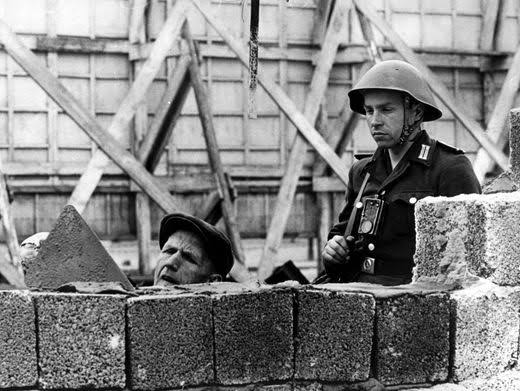
The Wall is built
In August 1961, RIAS documents the last-minute escape of civilians and soldiers from the East.
07 / 17Kennedy in Berlin
1963
Live from the motorcade
Jürgen Graf broadcasts his live commentary from a car in John F. Kennedy’s motorcade – the first radio report of its kind.
08 / 17
1970s
1970
Journalism and Political Dialogue
RIAS continued to provide in-depth reporting, including interviews with dissidents and opposition figures from East Germany. It also introduced new journalistic formats and began hosting discussions that fostered transatlantic dialogue between Germany and the United States. This period marked a transition toward more investigative journalism and more extensive reporting on human rights violations in the Eastern Bloc.
09 / 17
1980s
1980
Advocacy for Freedom of Speech
During the final years of the Cold War, RIAS supported the growing opposition movements in the GDR by broadcasting their messages and exposing the realities of life behind the Iron Curtain. The station became a key tool in spreading awareness about democratic values. Its role in disseminating information about protests and underground movements contributed to increasing pressure on the East German government.
10 / 17Television
1988
Images withheld by East Germany’s state media.
RIAS-TV is founded
RIAS expands into television, providing news especially for viewers in East Germany.
11 / 17Fall of the Wall
1989
The fall of the Berlin Wall
RIAS reports on events leading up to the fall of the Wall and records voices from both sides.
12 / 17
1990s
1990
Transition and Integration
With German reunification, RIAS adapted to the changing media landscape. In 1993, RIAS ceased its broadcasts as its frequencies were transferred to Deutsche Welle and Deutschlandradio, ensuring that its legacy continued in public broadcasting. While the station itself ceased operations, its impact on German journalism and democracy remained undeniable.
13 / 17Commission
1992
The RIAS Berlin Commission is founded
The Commission builds on the legacy of RIAS – promoting open communication and media cooperation across borders.
14 / 17First exchange
1993
8
young journalists from Leipzig, Halle, Dresden and Berlin travel to the U.S.
First exchange program
On October 24, 1993, a transatlantic bridge in broadcasting begins. RIAS ceases broadcasting that same year.
15 / 17
2000s
2000
Strengthening Transatlantic Journalism
The Commission expanded its fellowship and exchange programs, offering opportunities for young journalists to engage in transatlantic dialogue and gain firsthand experience in the U.S. and Germany. Through these programs, new generations of journalists were exposed to diverse media landscapes, fostering greater mutual understanding.
16 / 17
2010s
2010
Digital Media and Innovation
With the rise of digital media, the RIAS Berlin Commission modernized its approach, integrating multimedia storytelling and online journalism into its programs. The organization continued to foster international collaboration through digital initiatives and media partnerships. Digital platforms enabled broader engagement and a more dynamic exchange of journalistic ideas between countries.
17 / 17Mission
2020s
Commitment to press freedom
The RIAS programs are a unique and evermore important platform enabling the exchange between journalists from the U.S. and Germany.

 1948Role during the airlift1950sGrowth and Influence
 1953The uprising in East Germany
 1961The Wall is built
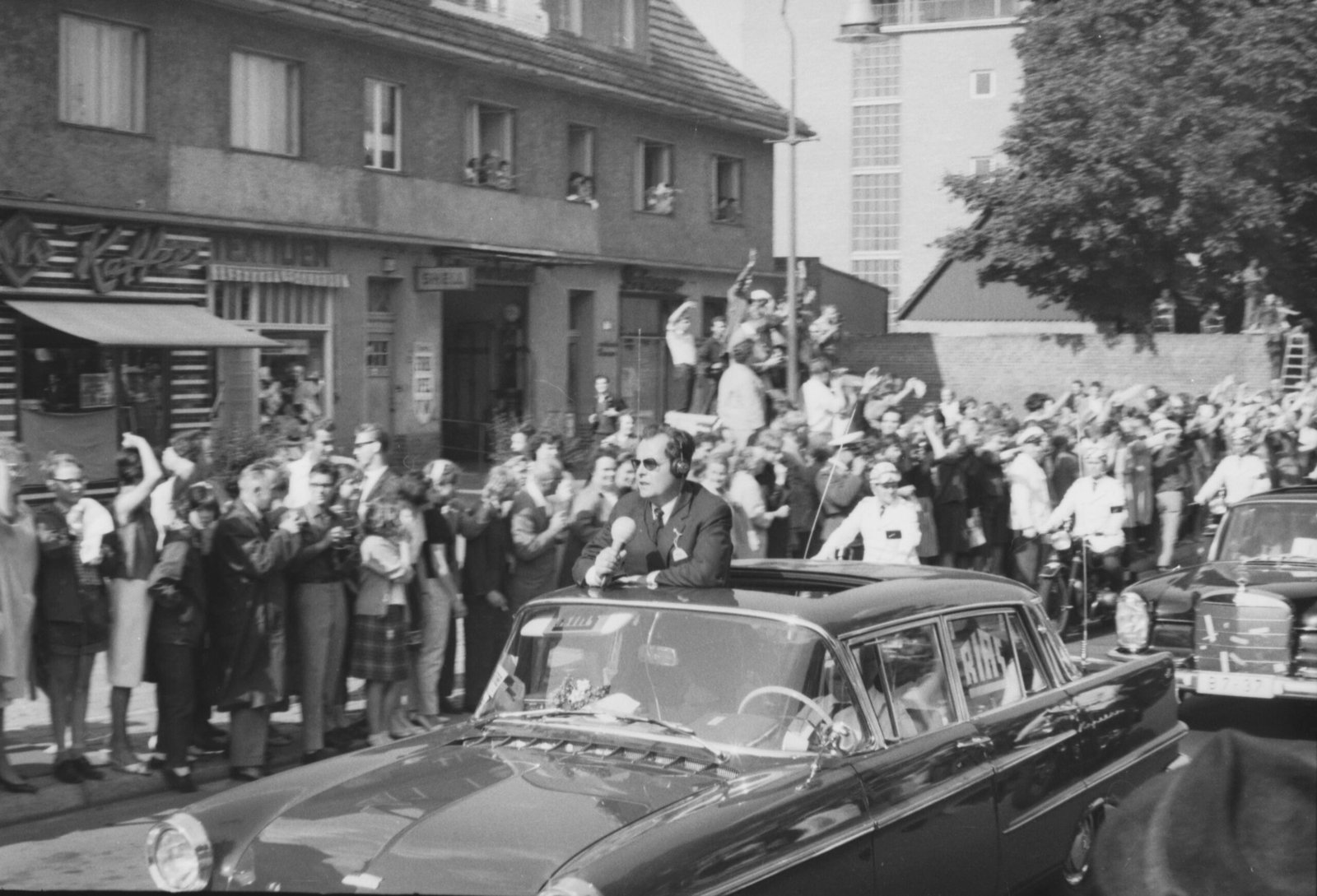 1963Live from the motorcade1970sJournalism and Political Dialogue1980sAdvocacy for Freedom of Speech1988RIAS-TV is founded
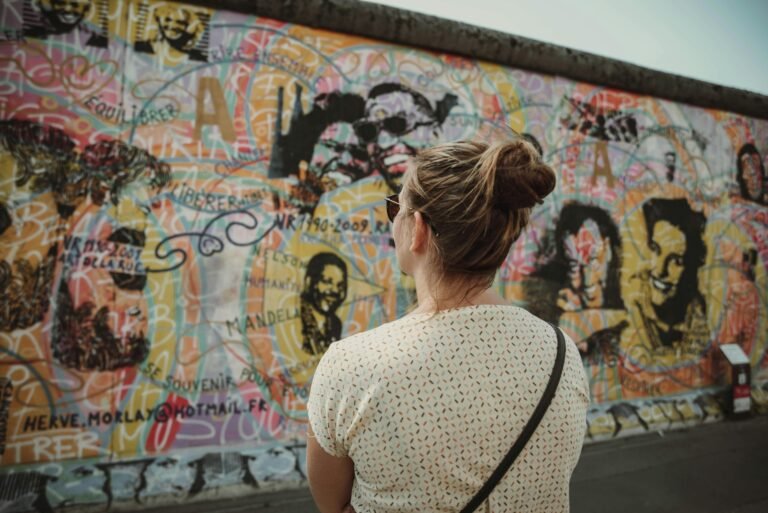 1989The fall of the Berlin Wall1990sTransition and Integration
 1992The RIAS Berlin Commission is founded1993First exchange program2000sStrengthening Transatlantic Journalism2010sDigital Media and Innovation
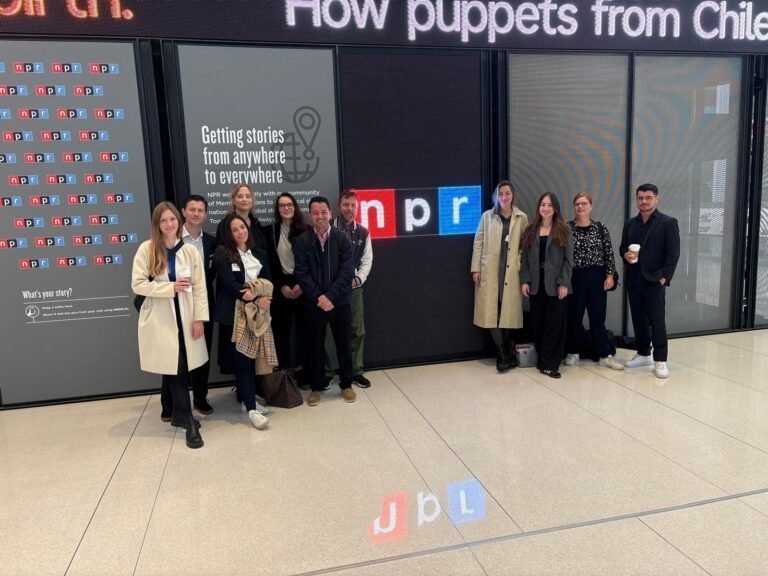 2020sCommitment to press freedom