
McGinley of WKMG-TV in Orlando running for RTNDA Chair-Elect
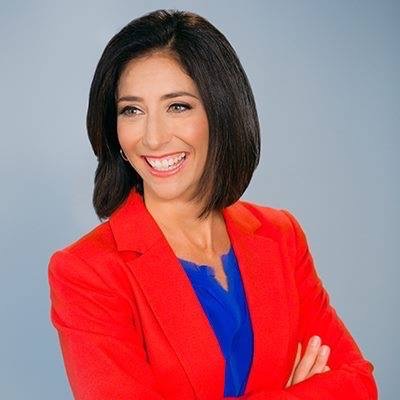
Allison McGinley, News Director at WKMG-TV in Orlando, Florida, is running for the position of Chair-Elect of the Radio Television Digital News Association (RTDNA board), which calls itself the world’s largest professional organization for broadcast and digital journalism. It is also RIAS’s partner (www.rtdna.org) in the United States and has been an important avenue for American fellows to take part in RIAS programs to Europe over the years.
The other candidate is David Wagner, tNews Director at KLST/KSAN in San Angelo, Texas, The RTDNA elections start on August 11 with 30-days of on-line voting that runs to September 12.
The RIAS Berlin Commission caught up with McGinley to ask her about her candidacy and the role that RIAS plays in RTNDA:
Question: Why do you want to become the RTDNA chair-elect?
McGinley: As News Director since 2015, I have led my newsroom using three bedrock tenets: empower our journalists in all positions, protect their First Amendment rights, and foster a culture designed to mentor and grow each team member. 2020 has been an incredibly trying and tragic year, but I believe these challenges are, in fact opportunities to advance our industry. I believe it is within the power of RTDNA, a renowned organization with a storied history, to support and encourage newsrooms to nurture more diversified teams and to help news leaders understand how to take measure of each individual in their organizations to ensure their viewpoints and experiences is heard. I want to be among the leaders in our industry leading the effort to protect those who fight daily to provide the facts to their community despite the vitriol and retribution they may face. And most importantly, I want to ensure that RTDNA continues to be the leader in mentoring our future generations of journalists. We have nothing left to defend if we do not teach, if we do not lead, if we do not safeguard our future.
Question: What does the RTDNA chair do?
McGinley: I could tell you what the bylaws state and which can be found on RTDNA.org, but I prefer to share with your membership and your readers what I believe to be the role of the chair. I firmly believe the chair should be the touchstone to the industry and the one who assists the exemplary RTDNA staff in maintaining the direction and purpose of the world’s largest professional organization devoted exclusively to broadcast and digital journalism. The chair, who is in the trenches of their own newsroom day to day, helps to guide his or her peers on the board to ensure meetings and decisions are laser-focused on shared goals and experiences within the industry, protects those plans and priorities determined by the board, and then most importantly, guarantees those strategies are executed.
Question: What are the challenges facing RTDNA?
McGinley: I believe the challenges facing RTDNA are the same as those facing today’s journalist. There are pervasive funding problems creating a dearth and, in some places, even a desert of local news. For each technological innovation that enhances journalism there is another that threatens our credibility by creating fraudulent content that spreads like wildfire. But I believe the fundamental challenge we must conquer is maintaining our First Amendment rights. In recent months, we have witnessed the arrests of journalists during protests, the removal of journalists from confrontational situations, law enforcement demanding raw and unpublished images and judges concurring. We fight for and defend the First Amendment because it is the cornerstone of our democracy- our communities, our citizens, our neighbors. We cannot protect our communities if we do not fight to retain our rights to ask questions, demand answers and stand up to those who may take advantage of power.
Question: What do you bring to the table? What do you think you could do better or to improve it?
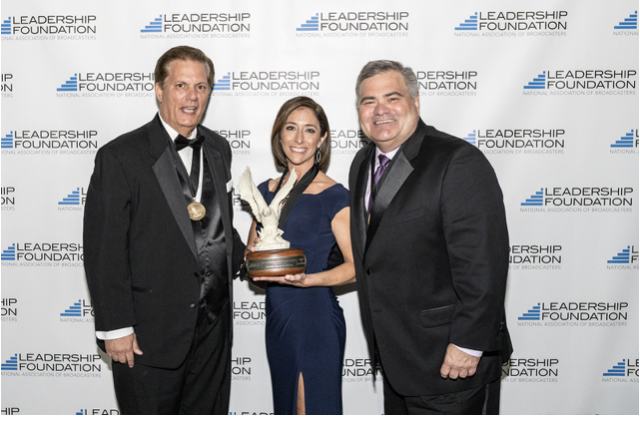
McGinley: I bring to the table my 26 years in this industry, but I also bring my compassion and my humanity. I have led my newsroom in Orlando, Florida through countless national news stories: from the horrific mass murder that took the lives of 49 of our neighbors to multiple dangerous hurricanes, and the current pandemic which has wreaked havoc on our communities and our tourism industry. We have also had many opportunities to celebrate milestones in Central Florida. I led a 3-year initiative that resulted in Florida legislators voting in a texting while driving ban. We partnered with Amazon and Google to create the first-ever livestream direct-to-mobile event at Orlando’s annual 4th of July fireworks in 2019. And just two months ago, I guided WKMG’s successful strategy to provided more than two dozen live vantage points as SpaceX and NASA, for the first time in nearly a decade, launched Americans into space from our own Central Florida backyard. Through all of those stories and many more, I believe my team would tell you my leadership is grounded in several areas from which RTDNA would benefit: solid, effectual planning for both long and short-term goals; innovation not for the sake of the gee-whiz factor but for the benefit and experience of the audience; and most importantly, a perpetual eye on the growth and professional development of every member of our team. I know I can parlay those newsroom leadership skills and characteristics into effective leadership of this revered association.
You have been the Region 13 director on the RTDNA board for 2 years. Where exactly is Region 13? What have you learned from that experience?
McGinley: Region 13 covers Florida, Georgia, Puerto Rico and the Virgin Islands. In my time as Director, I have had numerous conversations with varied groups of individuals from newsroom leaders to those who are just beginning their careers. The leading concern they express is usually focused on ethical and legal issues because as I said before protecting their First Amendment rights is routinely in the forefront of their minds. In fact, a young journalist once told me, ‘if you pay more attention to ethics than job security, positive opinion of the media and protected First Amendment rights will simply follow.’ They regularly remind me of the importance of training and continued education found in weekly webinars, robust newsletters, and more importantly, reasonably priced conferences. Journalists I speak with always make a point to emphasize the growth of and health of RTDNA as a whole. It is their hope that the organization continues to look at how partnering with other industry organizations can help to reach, support, and inspire more journalists. Once elected, I will be guided by those priorities of our members.
Question: How important is the RIAS fellowship for RTDNA?
McGinley: Journalism is a global mission and sharing our knowledge is crucial to ensuring our collective future. This is an intersection of two principles I mentioned earlier: empowerment and mentorship. Empowering inquiring journalists to learn from those who are different allows for growth in empathy and expertise.
Question: Do you think there are ways RTDNA and RIAS can deepen and strengthen their ties? Going forward, for instance, all RIAS fellows will be required to join RTDNA for at least one year. What else could we do?
McGinley: The key to any fruitful partnership is an understanding of shared priorities and goals. While the two agencies may be a world apart geographically, the goals each hold are similarly rooted in strengthening reporting skills and growing the next news leaders. An RTDNA membership is just the entry to exposing RIAS members to any of the training, ethical guidelines, and industry connections they may be interested in pursuing.
Question: Why do you think relatively few RTDNA members know about RIAS? Is there any way to fix that?
McGinley: I believe exposure could be a shared priority for both organizations. Regular messaging, especially at critical times of application, through RTDNA’s expansive network of members could be of assistance. A handshake-style social media campaign can always provide a boost. And spotlighting member trips through video and sound is always a compelling way to drive interest. Of course, college campuses are often the best driver of engagement as today’s youth are driven by experiences and creating memories.
Question: Do you think International exchanges like this are beneficial to US journalists?
McGinley: As journalist we are self-proclaimed life-long learners. What could be better than connecting inquisitive minds around the globe?
Question: You have been working as a journalist in Orlando for 26 years. Has that experience helped prepare you for the chair-elect?
McGinley: I would love for your readers to look at my website www.AllisonMcGinley.com to help them learn more about me, my experiences and my leadership foundation. As I have said many times before, not many are lucky enough to achieve their dreams in their hometown, so I have made it my mission to recognize the importance of sharing stories critical to our community, to be of service to those living here and protect the rights of our journalists to share those stories. As a News Director and as a current RTDNA Director, I know to my core we must empower our communities and their people. We must protect their stories. We must mentor those dedicated to the mission of guarding the truth.


