
RIAS Berlin Commission director to step down, search for replacement starts
Erik Kirschbaum, the executive director of the RIAS Berlin Commission since 2016, said he will be stepping down by the end of the first quarter in 2024 after leading the German-American exchange program for broadcasting journalists for the last seven years. The number of exchange programs to Germany and the United States has nearly doubled from five to eight since 2016 and the number of American and German journalists traveling across the Atlantic to learn more about each other’s countries has also doubled from around 50 each year to about 130 per year.
The German-American exchange program based in Berlin announced it has started a search for a new executive director for the Berlin-based binational organization. Candidates for the position with a target starting date in early 2024 can write to info@darkseagreen-dog-940501.hostingersite.com for further information and further details about the opening will be published shortly.
“It’s been a great honor to lead the RIAS Berlin Commission over the last seven years,” said Kirschbaum, who also served as a member of the 10-person RIAS board from 2013-16 and was a guest speaker for RIAS programs since 1997. “I appreciate the board’s support for all the reforms we made to strengthen RIAS, and I will cherish the alumni network for all the energy the journalists have poured into improving our programs.” Kirschbaum, 63, said he plans to focus on journalism and writing again as well as further develop renewable energy and property projects.
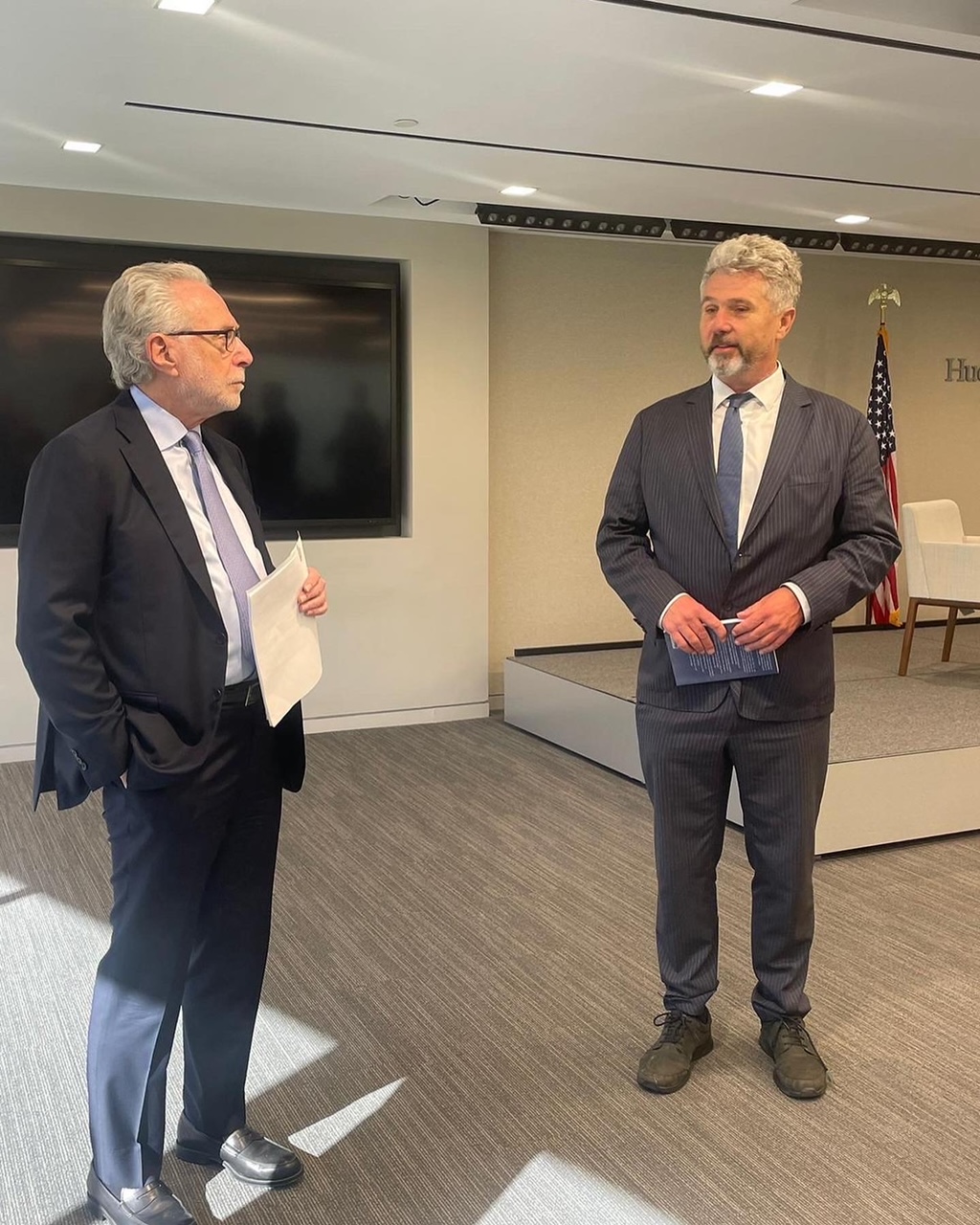
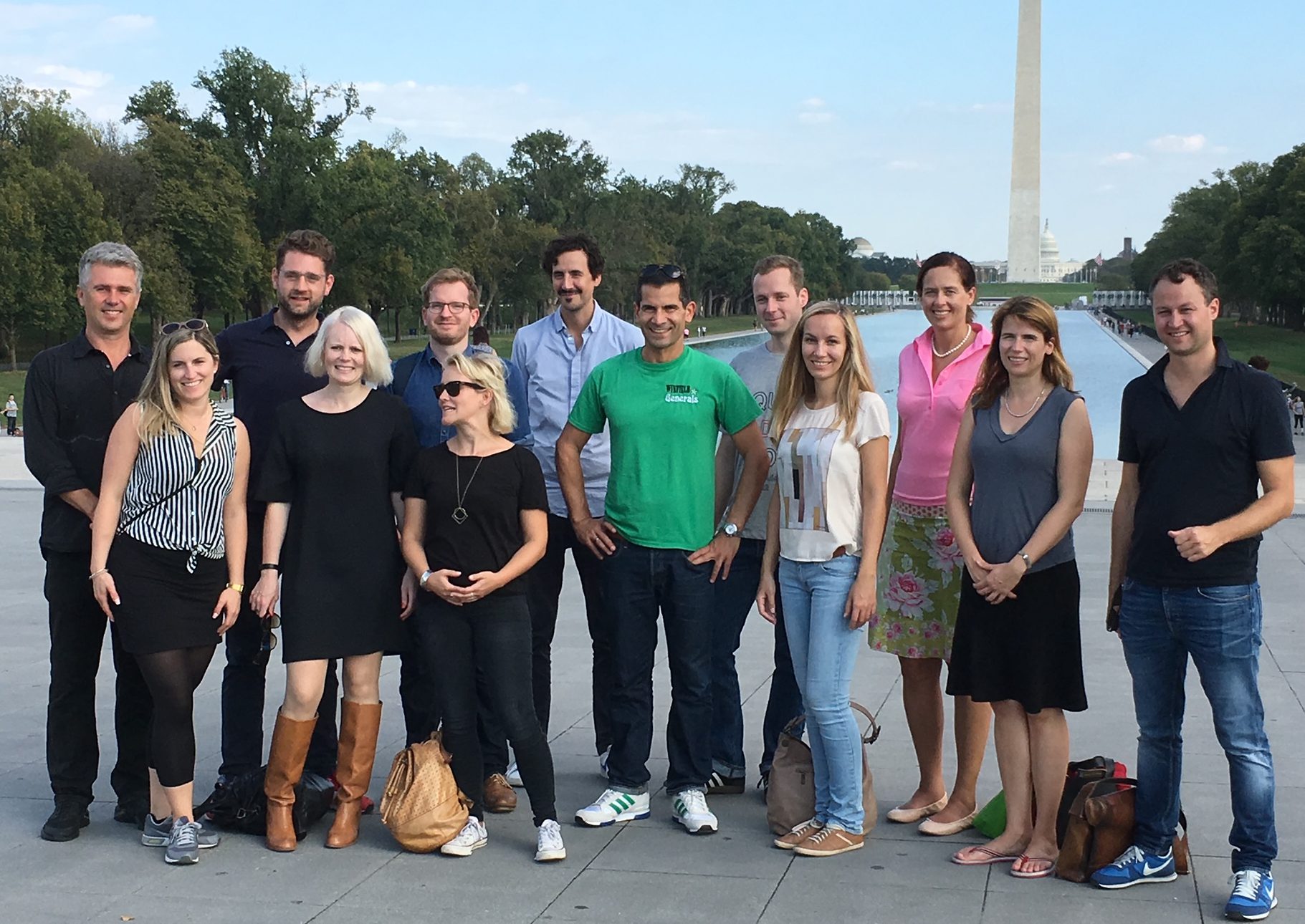
The RIAS Berlin Commission is a binational German-American organization that was created in 1992 by the German and US governments to promote transatlantic exchanges in the field of broadcasting journalism, expand horizons and create transatlantic networks for broadcasting journalists from across both countries. Nearly 2,000 German and American journalists and journalism students have taken part in the exchange programs that last from one to three weeks over the years, including many leading and important broadcasting journalists in both countries. Hundreds of alumni take part in alumni programs, events with their local chapters and support visiting journalists from Germany and the United States.
RIAS Berlin Commission also holds an annual RIAS Media Prize competition for outstanding radio, TV and digital journalism aired in Germany and the United States; among the recent winners were Wolf Blitzer (CNN), Ingo Zamperoni (ARD), Jan Philipp Burgard (ARD), Katrin Bennhold/Claire Toeniskoetter (The Daily at The New York Times) and Stephanie Wolf (Louisville Public Media).
Kirschbaum is the second executive director to lead RIAS and followed in the footsteps of Rainer Hasters, who helped create and shape the programs as executive director for 25 years from 1992 to 2016.
Following is a personal note Kirschbaum sent to the participants and prize winners at RIAS:
Dear friends at RIAS
Thanks for all your wonderful support, your questions, your curiosity and your hunger to learn over the last 7 years on RIAS programs, at RTDNA conventions and especially on our six big 30-person alumni programs since 2019. I wanted to let you know that I will be stepping down as executive director of RIAS in about 6 months as soon as a new director is in place. I’m hoping to return to more writing and journalism work in the next chapter of life as well as catching up on some of the sleep that I missed out on since this unforgettable ride started back in 2016. I’m also eager to catch up with family, my children and grandchildren. Some new solar power and property projects are also in the works. And in the event that anyone out there in the RIAS alumni network or elsewhere is interested in one of the best jobs in the world, please reach out if you need any further information. There will be more details on the RIAS website and published elsewhere soon.
In this last chapter over the last 10 years at RIAS, including the first 3 years as a member of the board and the 13 years before that as a guest speaker in Bonn and Berlin, it was an honor and privilege to meet you, travel with you, learn new things with you and laugh with you. You took me out of my comfort zone and I enjoyed every minute of it. You’ve given me a lifetime‘s worth of memories over the last 7 years along with myriad new friendships. Your insatiable appetite to learn has been inspiring. Probably more than anything else, I’ve enjoyed watching you grow on — and after — our ambitious programs …..apologies if they seemed overly challenging or demanding at the time. I have also learned a tremendous amount from you and your groups. The goals are to expand horizons, build transatlantic networks and keep the spirit of the original RIAS radio and TV stations alive. I wanted to take you a bit out of the „comfort zone“ and appreciate your willingness to go there with me. Thanks again for all your „hard rowing“ over the years. I also really appreciate your support in helping me grow the alumni network, increase diversity in all our programs, and forever improve our schedules.
I think we accomplished a lot together—not the least of which include two horizon-expanding student programs each year and our energy-filled alumni programs. I will be eternally appreciative of all of the alumni who altruistically volunteer so much of their time to make our programs and alumni chapters better every year. I honestly can’t thank you enough for all you’ve done over the years and am looking forward to seeing you again and staying connected.
Sincerely
Erik
September 24, 2023
In Munich, American journalists meet political leaders, journalists, visit Oktoberfest
The third RIAS Berlin Commission “short/alumni” program moved from Cologne to Munich on Germany’s famous high-speed Intercity Express (ICE) train at speeds of up to 240 kilometers per hour on September 19 for the second half of the program for the 32 American journalists. Several of the reporters used the four-hour train ride to file live reports back home to their stations in the USA.
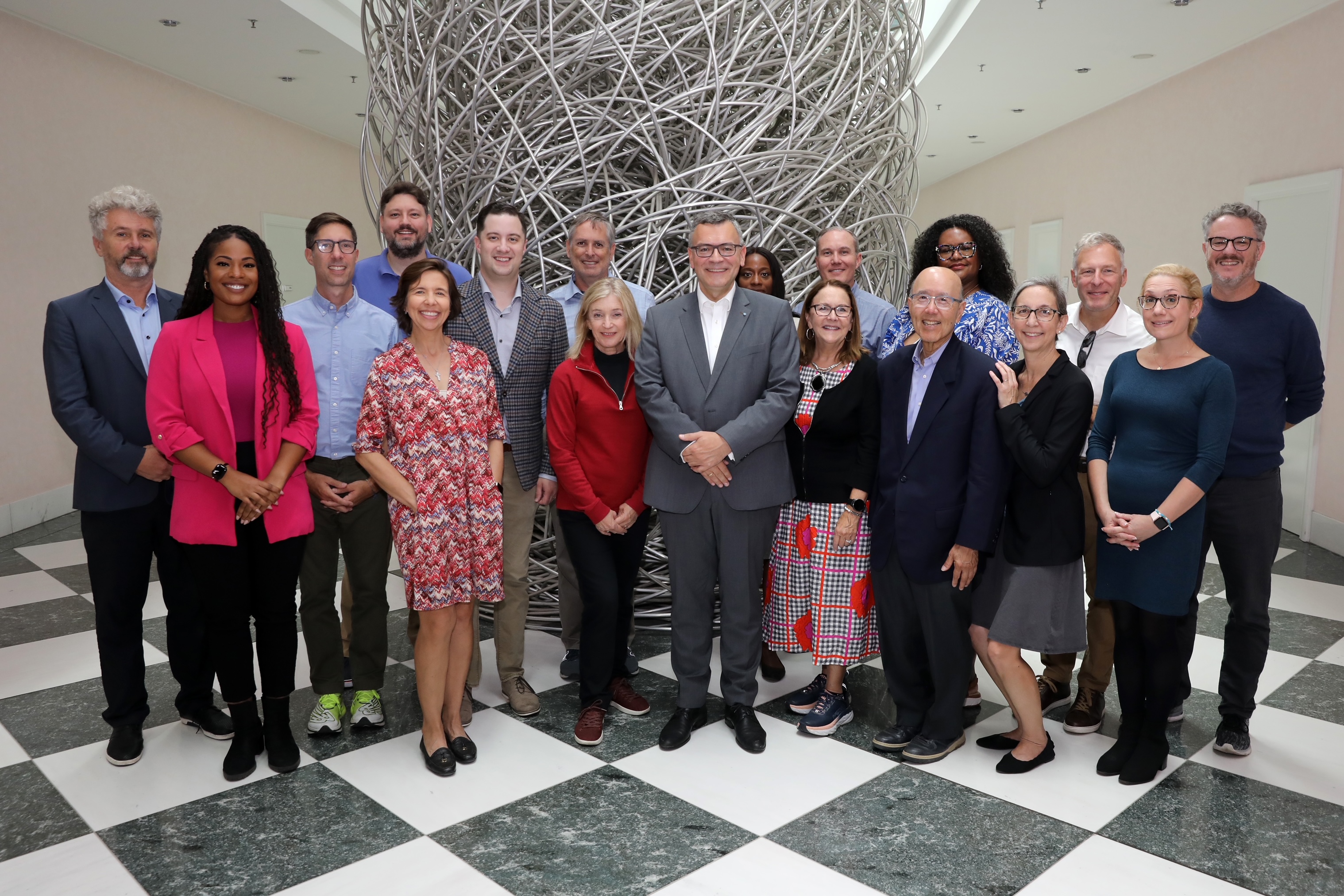
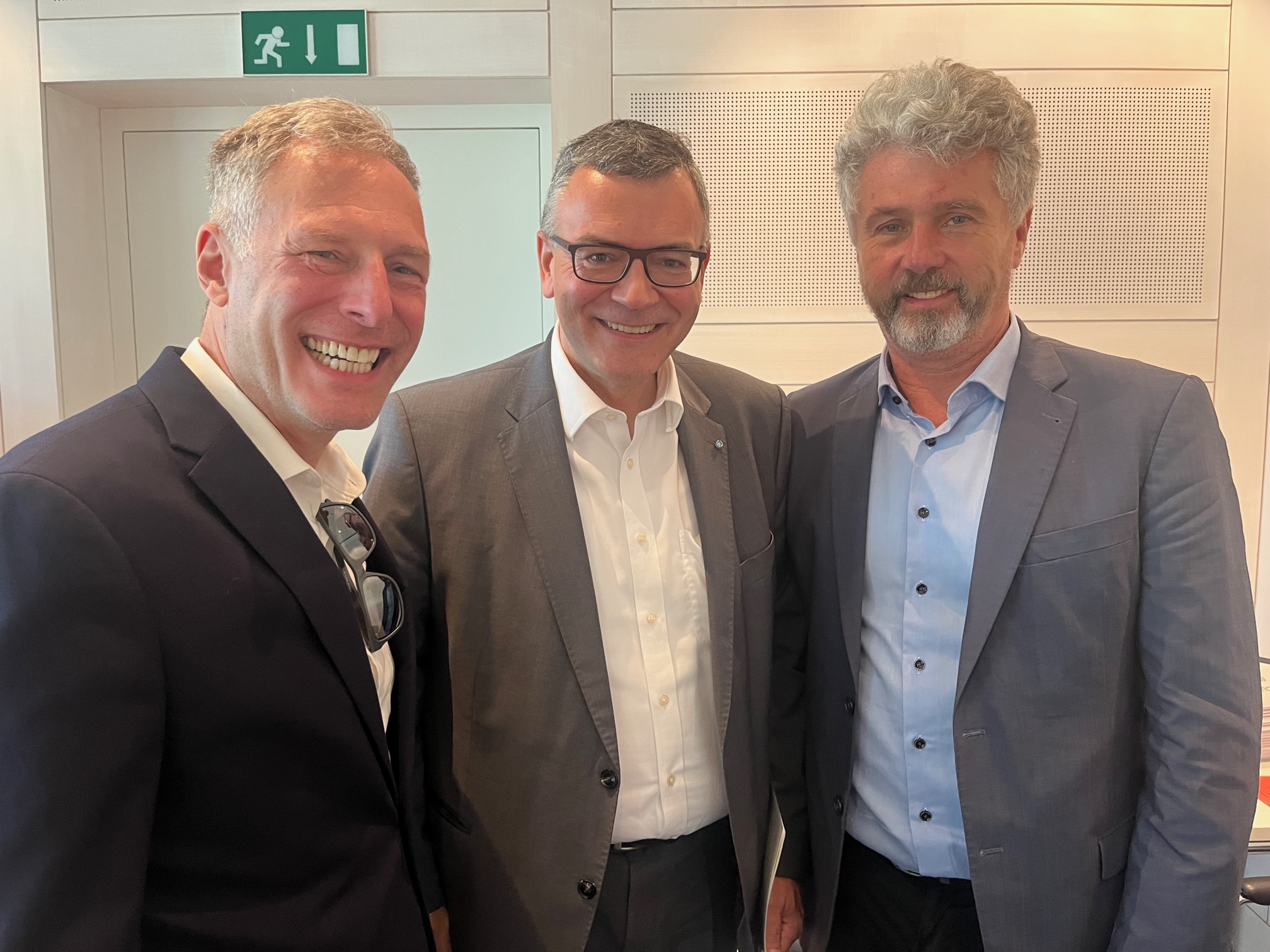
After arriving in Munich, they moved quickly to their first appointment in Munich at the Paulaner brewery in Nockherberg to learn more about the art of beer making from two “Braumeister” at the brewery that traces its origins to the 16th century. The Americans learned how ultra competitive the beer making industry is in Germany and how Paulaner strives to improve its product each year. They also visited the BMW headquarters in Munich for a tour of the factory, visited Munich’s Jewish community, Bavarian TV/Radio headquarters and spent an hour talking with Bavaria’s state secretary for Federal Affairs and head of the state chancellery – Florian Hermann. He talked about the Bavaria state election on October 8 and the pressures on the ruling Christian Social Union party.
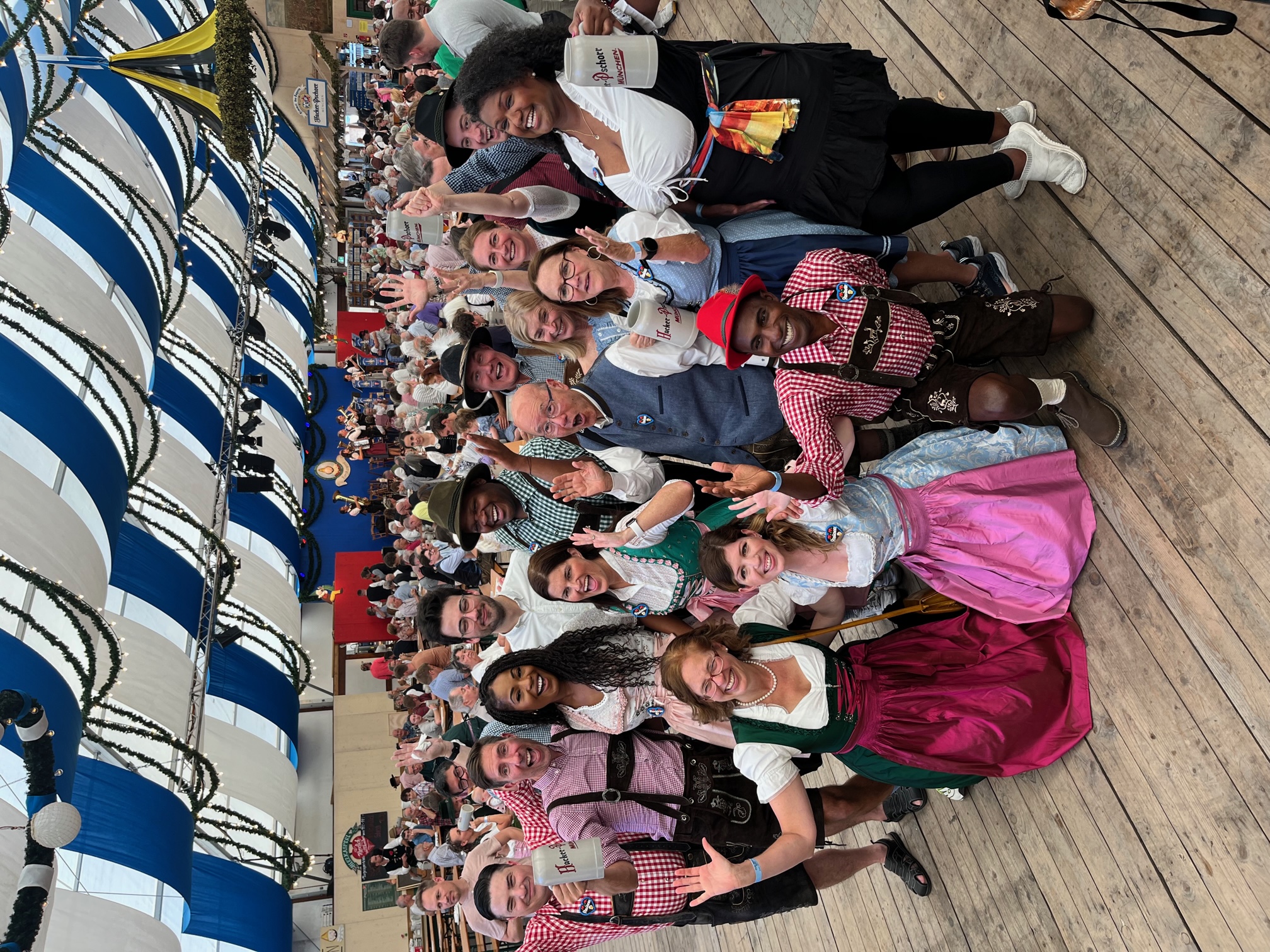
The Americans also had a talk with senior journalists at BR TV and spent an afternoon at the world-famous Oktoberfest learning more about the special challenges facing the festival’s 600-person police force, how Paulaner has developed new high-tech patents to improve the efficiencies in their 8,000-seat beer tents, and had a talk with the CEO of Paulaner about how the brewery has emerged from a difficult Covid-19 era.
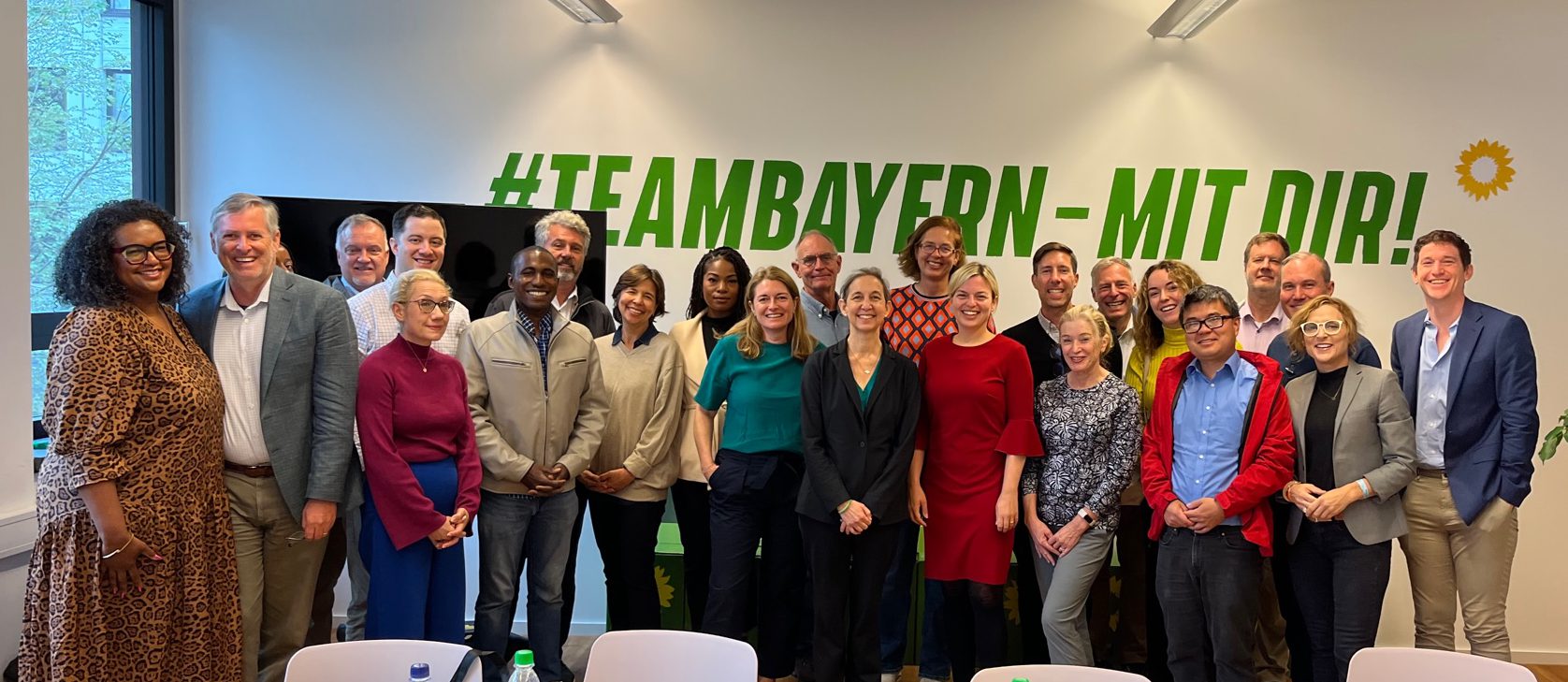
With the Bavaria state election looming, the Americans also had the chance to talk with the leader of the opposition Greens party Katharina Schulze, who talked about lessons she learned in Detroit in 2008 as a campaign worker for the US candidate at the time Barack Obama and how she has brought the US-style “door-to-door” campaigning to help her party in Bavaria. They also talked to CSU member of state assembly Gerhard Hopp about the CSU campaign and his district in the eastern region of Bavaria near the Czech border.
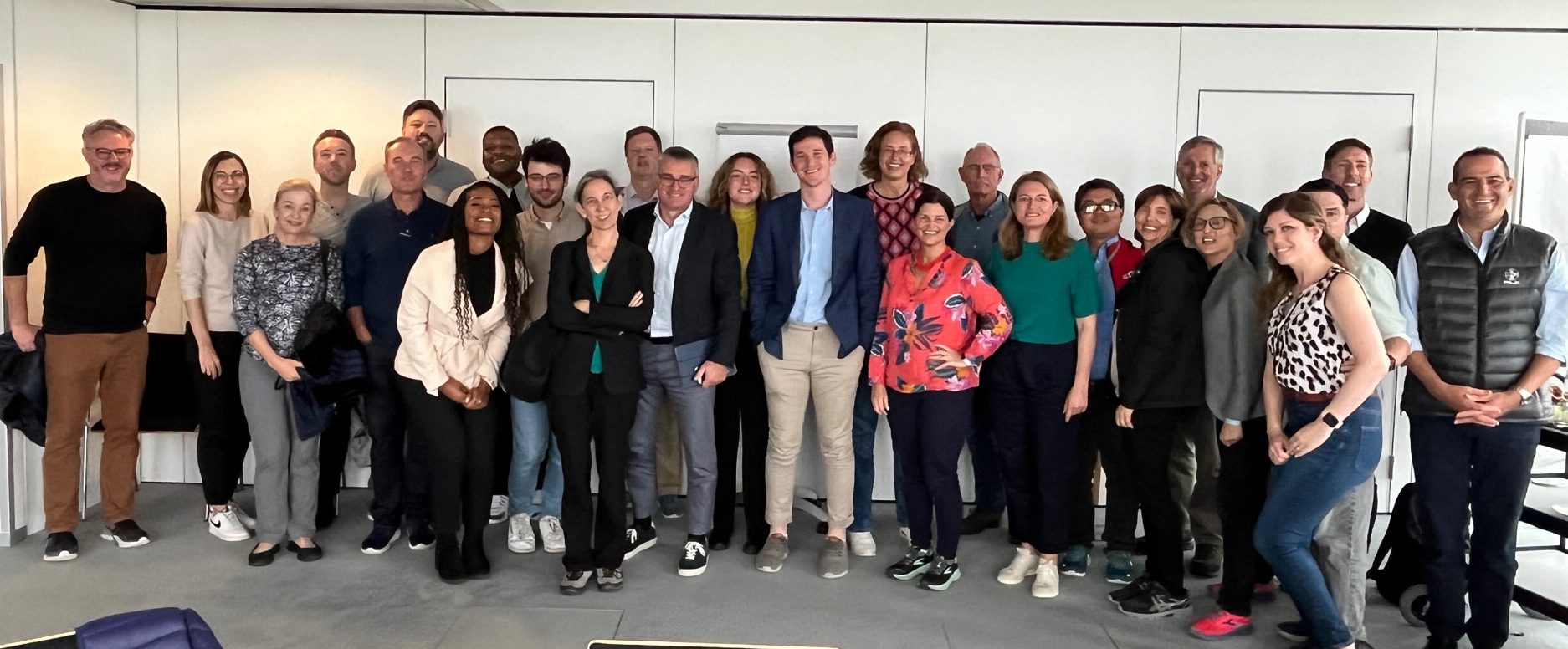
They also had the chance to talk with Stefan Kornelius, a senior editor at the Sueddeutsche Zeitung newspaper. They visited the Allianz Arena for a behind-the-scenes look at the stadium that is home to the Bayern Munich soccer team, visited the DJS German broadcast journalism school and many visited the Dachau concentration camp memorial outside of Munich.
The program was organized for the most part by the RIAS local alumni chapters in Munich and Cologne. The Americans met dozens of German RIAS alumni during the program, which is designed to deepen their knowledge of Germany and transatlantic relations years and sometimes decades after they first took part in a RIAS program. Many of the Americans also used the program meetings for stories they worked on for their stations back home in the USA.


